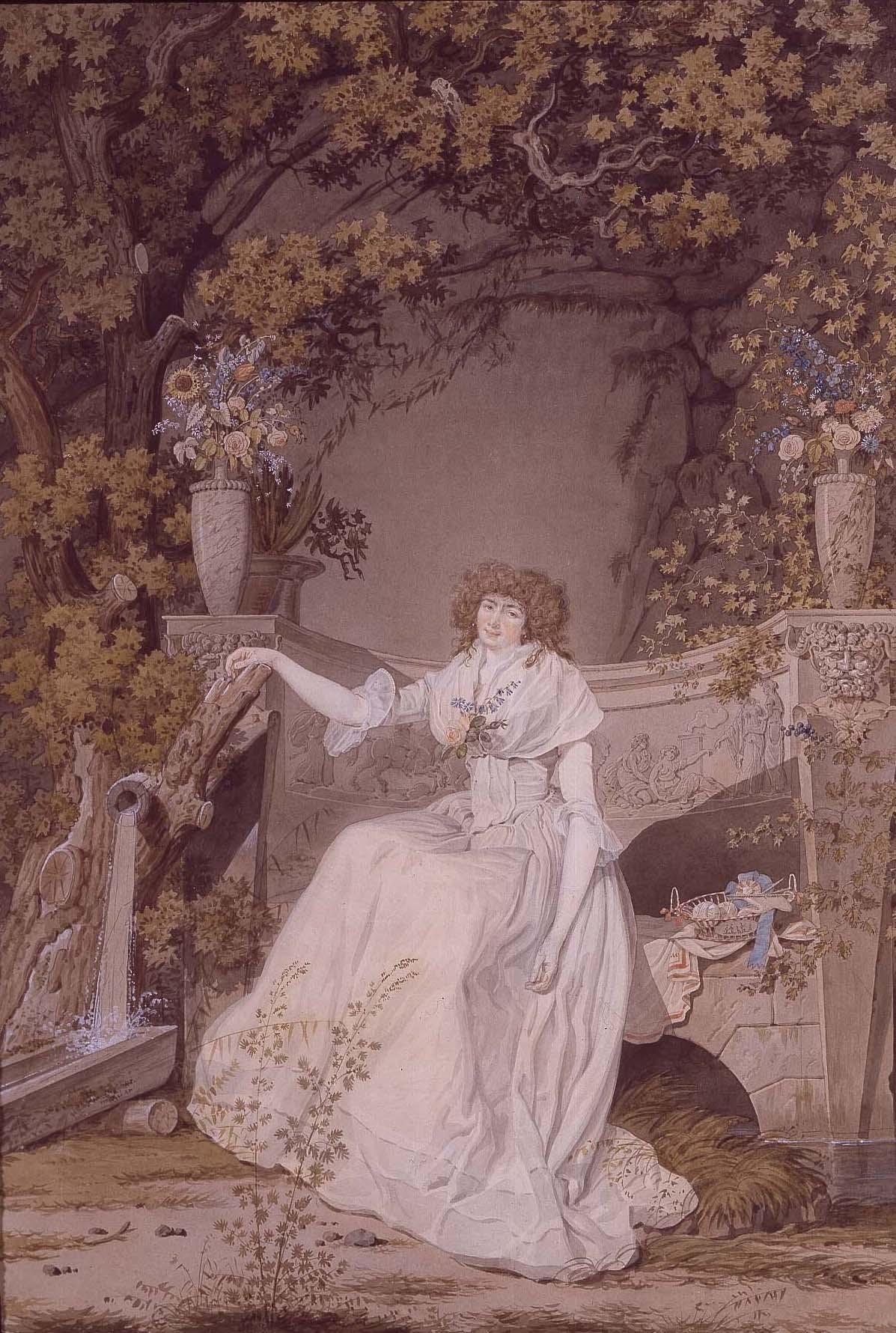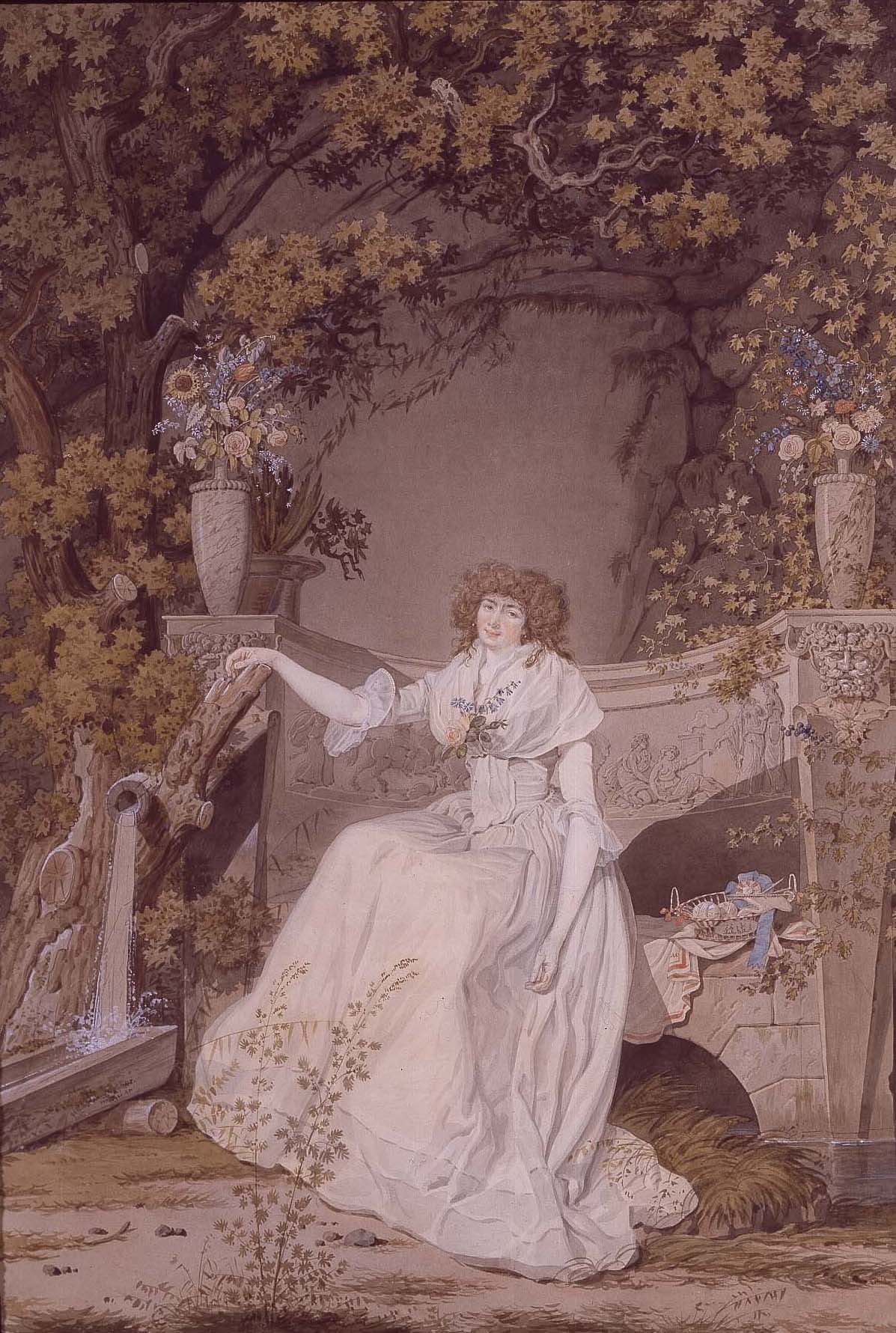
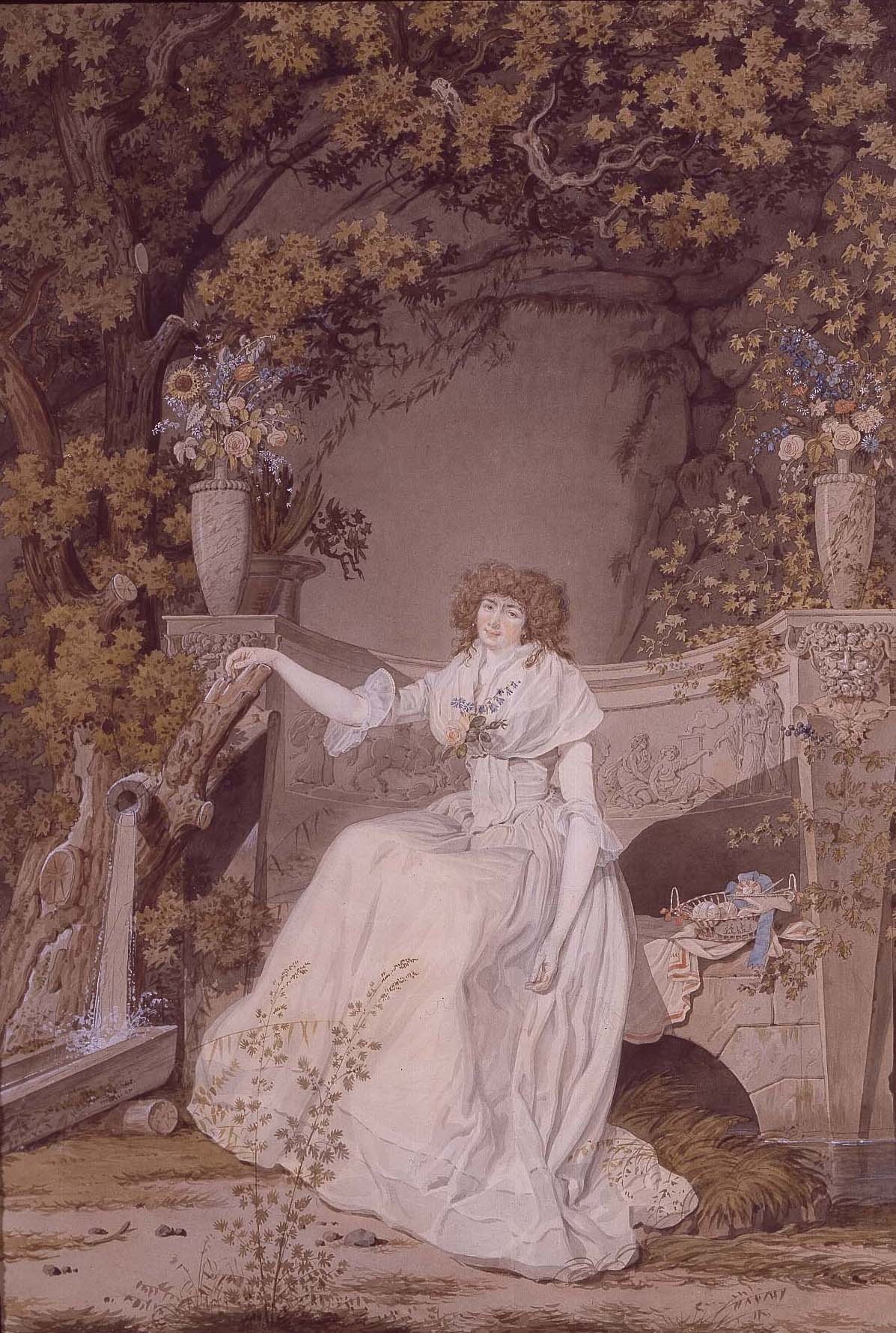
The most successful painter of Geneva society during the eighteenth century was the pastel painter Jean-Etienne Liotard, one of the greatest of all artists working in that medium. This portrait tradition, with a preference for working on vellum or paper, was continued by three of the leading Geneva painters of the late eighteenth and early nineteenth-century, Jacques-Laurent Agasse (1767-1849), Firmin Massot (1766-1849) and their exact contemporary, Wolfgang-Adam Topffer.
Since Geneva provided no opportunity for a sophisticated artistic training, Paris continued to be the artistic Mecca for all aspiring painters and both Topffer and Agasse completed their studies there. Topffer arrived in Paris in 1789 in the midst of revolutionary turmoil. His first master was the Flemish born J.B. Suve, a history painter of solid reputation who was later to become director of the French Academy in Rome. Topffer's French training not only ensured that he was well schooled in draftsmanship, honing his technical skills but also exposed him to a changing and diverse artistic milieu. History painting held little attraction for him, however, and over the next five years he earned his living producing small-scale portraits in watercolour and gouache.