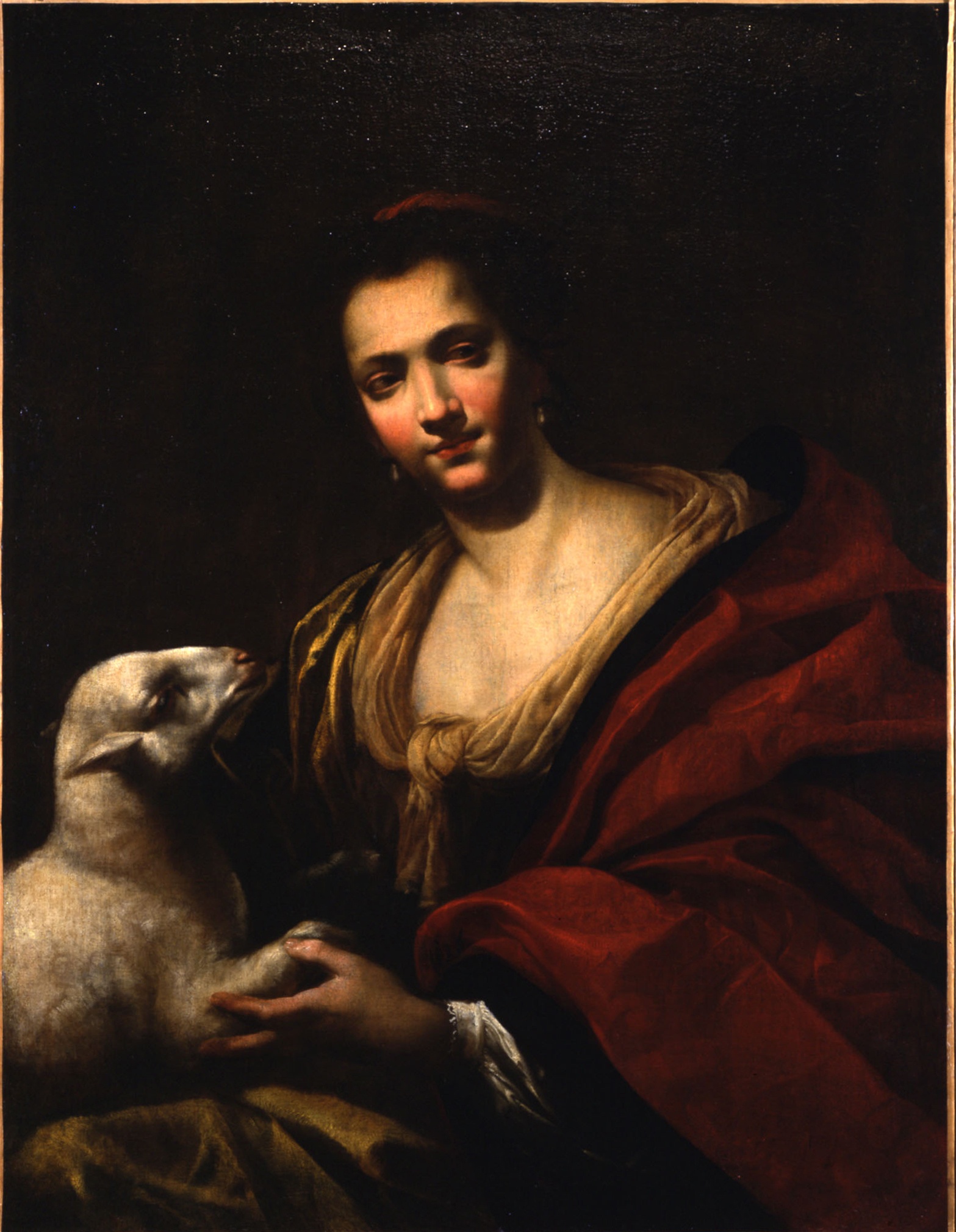
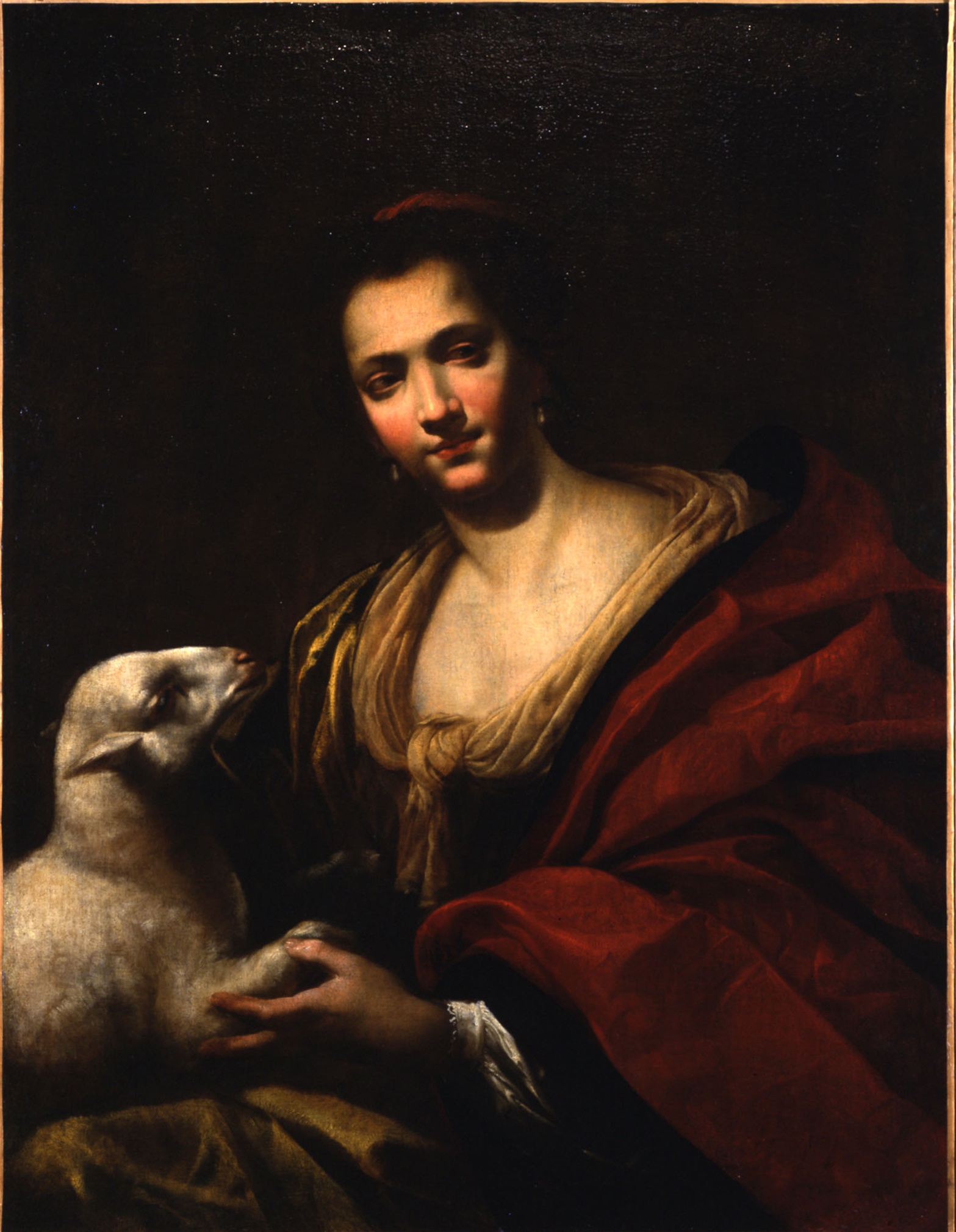
It is surprising that so little has survived of Vouet’s early works in Rome, and it is gratifying to find an example that illustrates vividly his response to the imagery of Caravaggio and the artistic milieu he found there towards the middle of the second decade of the seventeenth century. After his journey to Constantinople, Vouet travelled to Venice before arriving in Rome in March 1613, and the experience of colour and light in the Venetian tradition remained fundamental for him throughout his career. But the experience of Caravaggio was evidently crucial for the young French painter, and was surely encouraged by one of Caravaggio’s principal patrons, Cardinal Francesco Maria del Monte.
It was he who would be responsible for securing Vouet’s election, in 1624, to the position of principe of the Accademia di San Luca, of which he was protector, while at the same time, many of the painter’s early patrons, like Marcello Sacchetti, Cassiano dal Pozzo, the Marchese Vincenzo Giustininiani, and Paolo Giordano Orsini, all belonged to Del Monte’s close circle. Recently, Zygmunt Wazbinski (“Simon Vouet et le Cardinal Francesco Maria del Monte; une hypothèse sur le mécenat d'Henri IV à Rome” in Stéphane Loire, ed., Simon Vouet: Actes du Colloque (Paris, 1992), pp. 149–67) has suggested that Cardinal del Monte may have had a direct role in the encouragement of young French painters in Rome, and knew Vouet from shortly after his arrival there. It is therefore natural to find reflections of the Cardinal’s taste for Caravaggio's naturalism in Vouet’s work in the early Roman years.