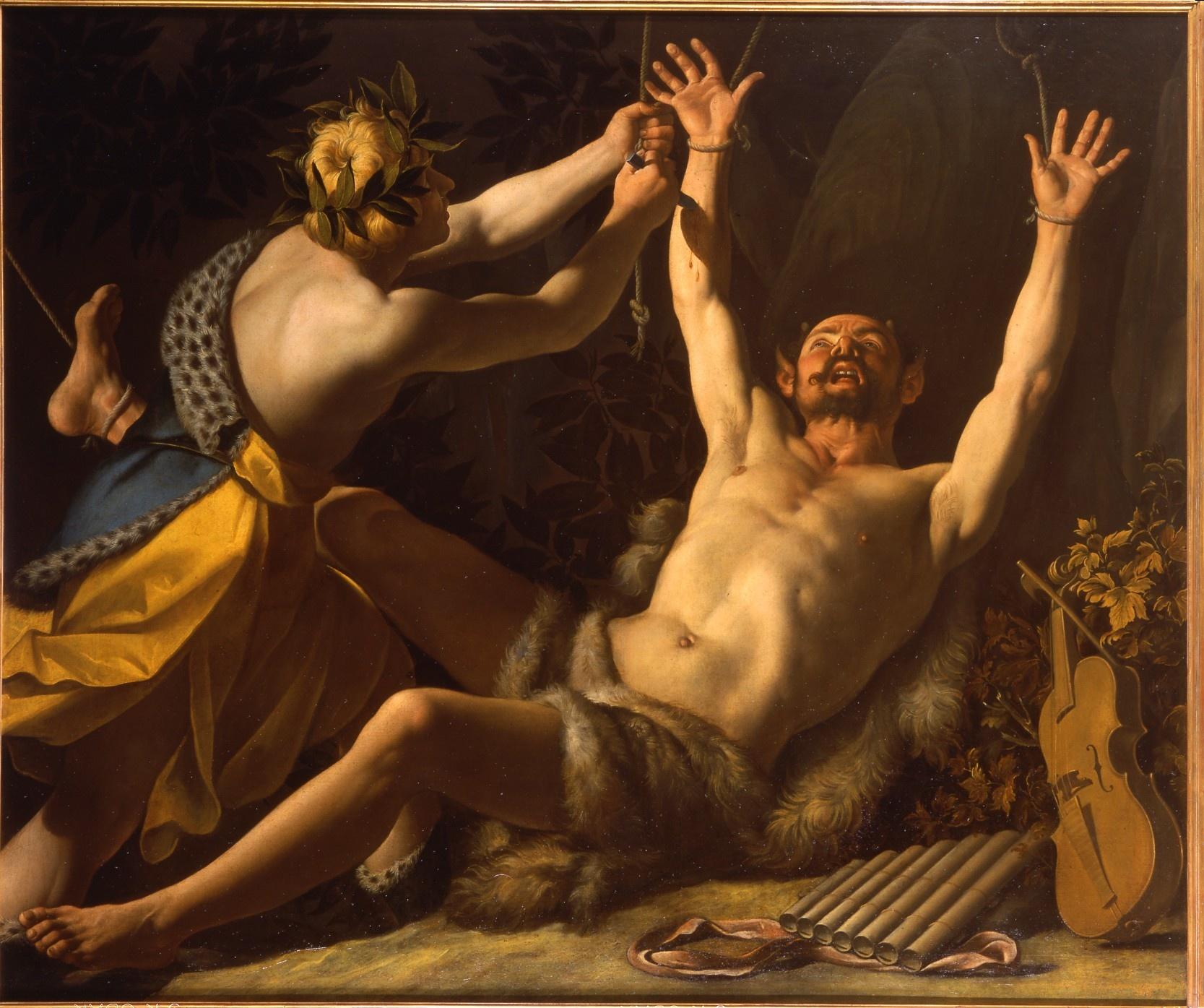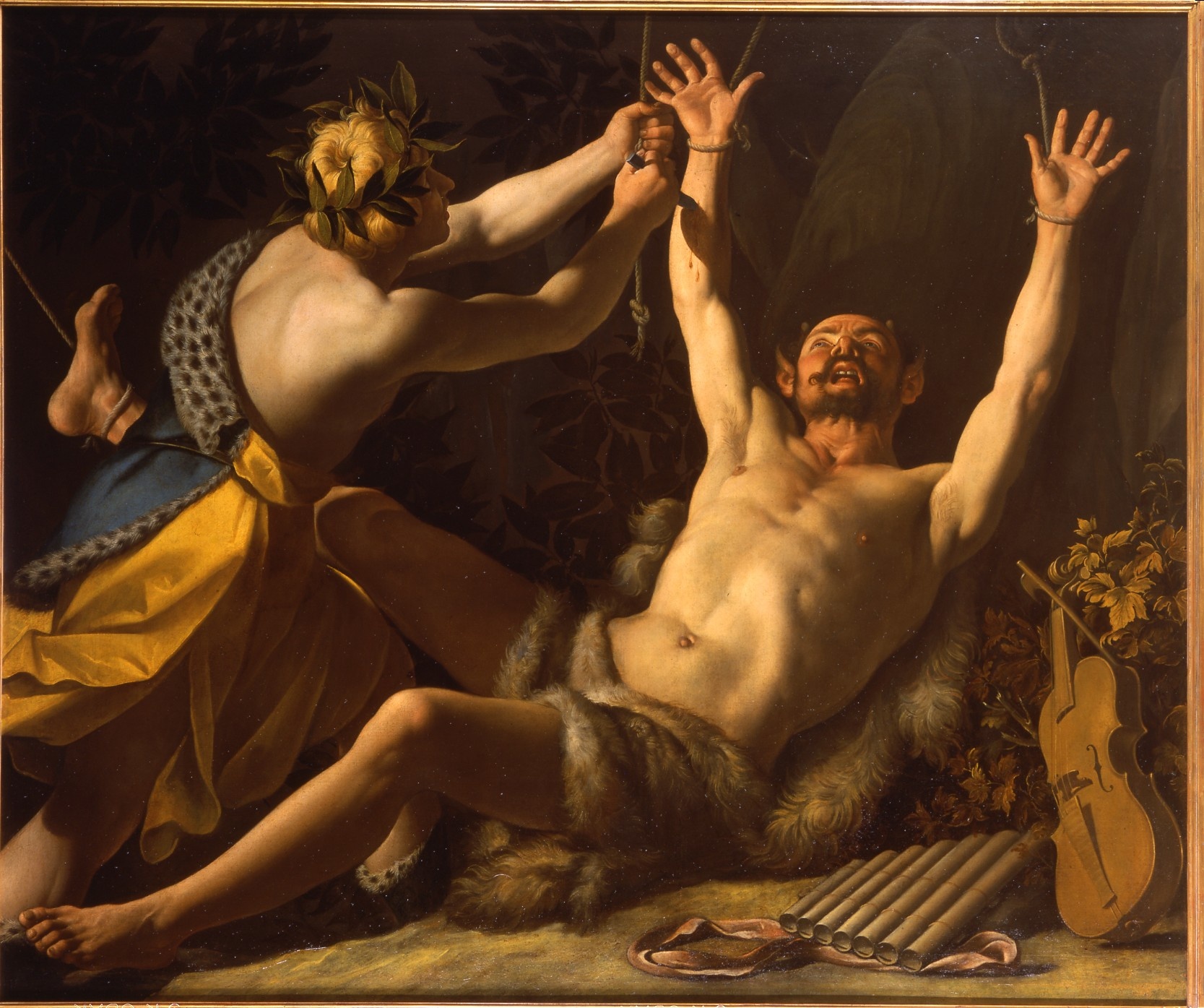
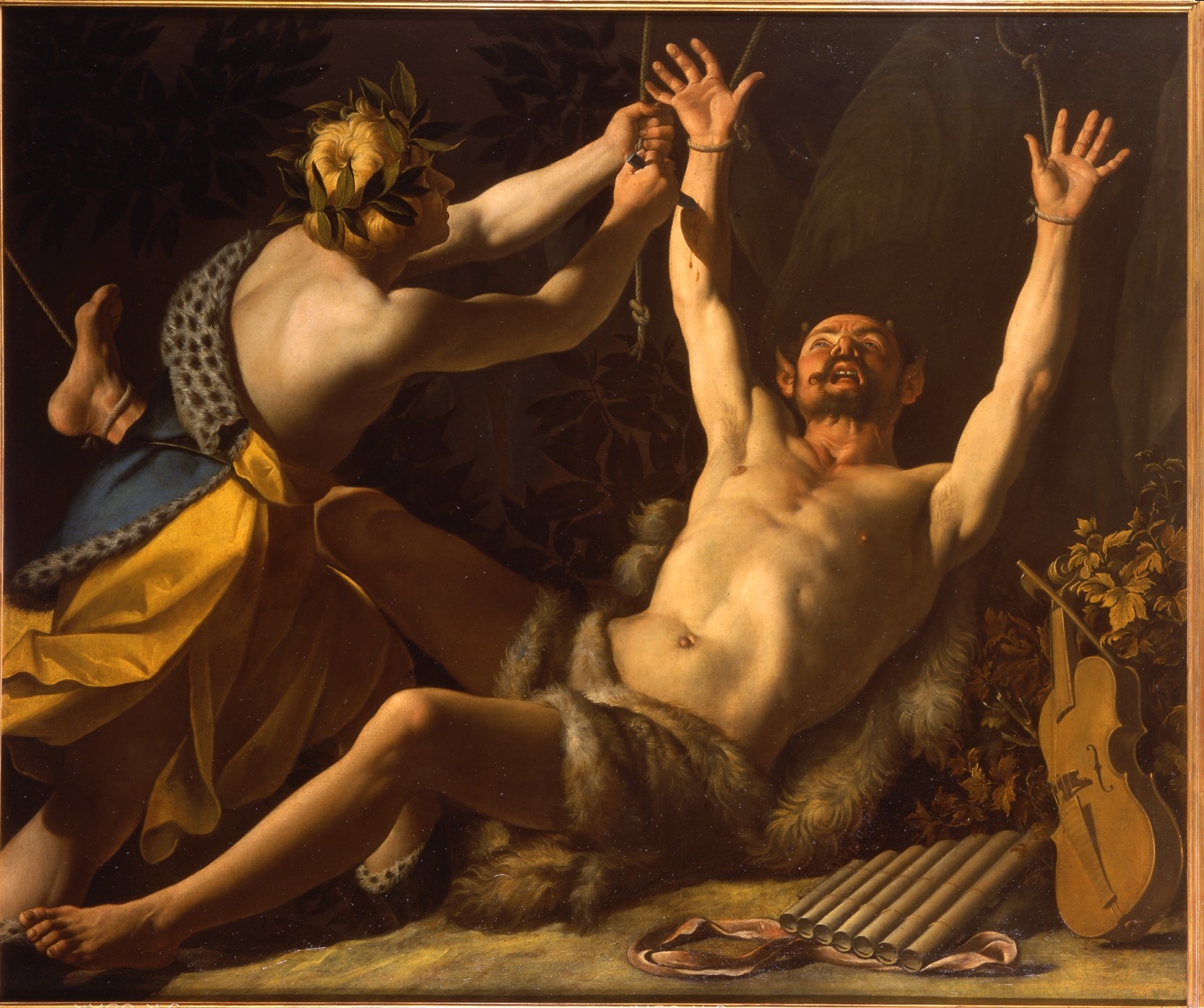
Jan Janssens was born in Ghent. Like many young artists in the early seventeenth-century Netherlands, Janssens was drawn to Rome, where he is documented in 1619 and 1620. Encountering the revolutionary style of Caravaggio, Janssens quickly became an adherent of the international Caravaggesque movement, taking inspiration in particular from the works of his fellow Northerners, the Utrecht Caravaggisti Gerrit van Honthorst and Dirck van Baburen. Returning to Ghent, where he became a master in the painters’ guild in 1621, Janssens continued to produce works in the Caravaggesque manner he had developed during his formative sojourn in Italy.
Unflinching in their naturalism, Janssens’s dramatic compositions are distinguished by the highly expressive poses and gestures of their protagonists, and by their theatrical lighting, typically emanating from a single hidden source. The Catholic Counter Reformation had given rise to a desire for emotionally stirring representations of religious themes, and thus Janssens’s altarpieces and other religious subject paintings became sought after by churches in and around Ghent. At the same time, Janssens catered to the taste for Caravaggesque works on the part of sophisticated patrons both in his native Netherlands and abroad—for example, his prominently-signed Caritas Romana (Academia di San Fernando, Madrid) had already become part of the famous collection of the Marqués de Léganès during the artist’s lifetime.