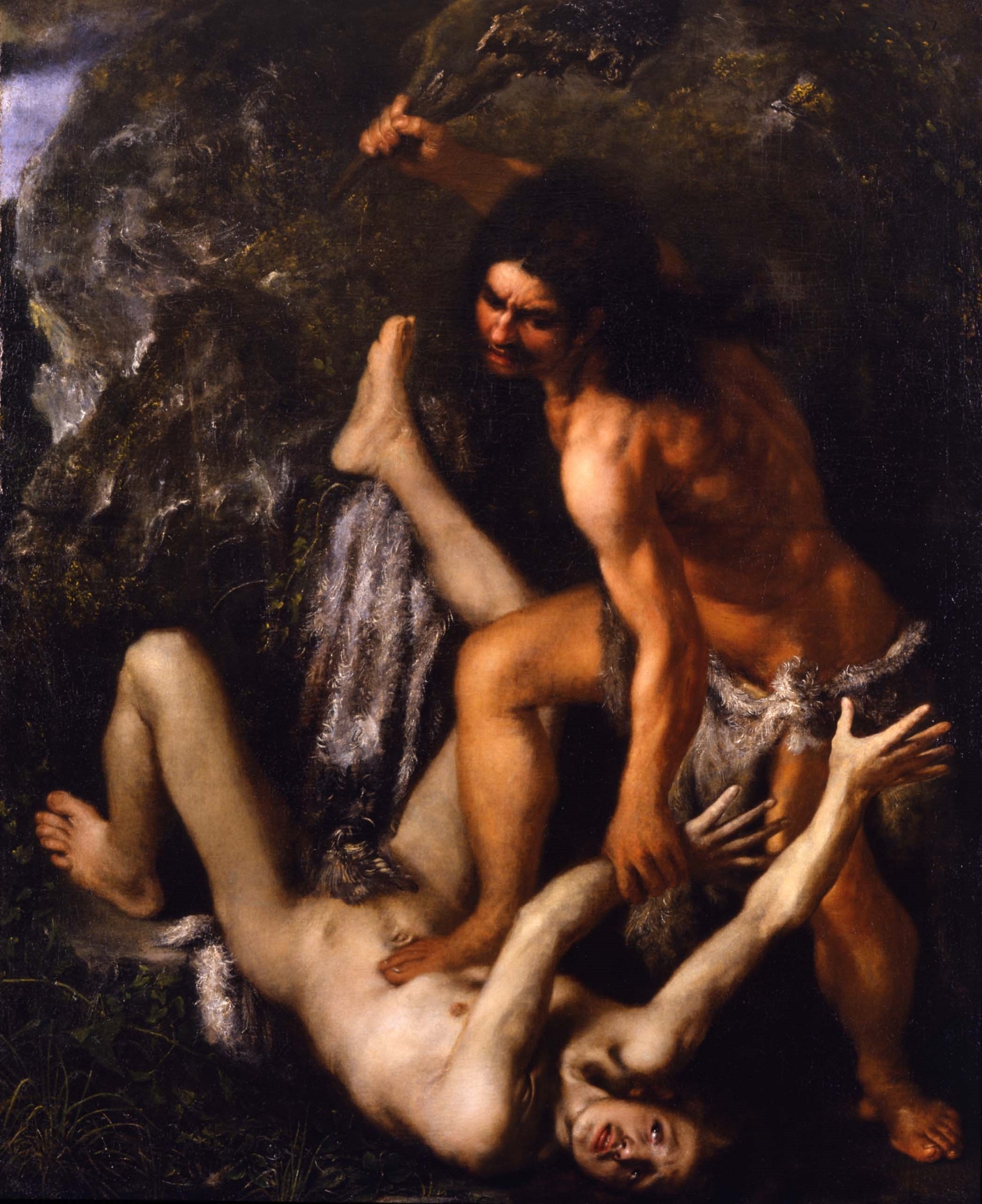
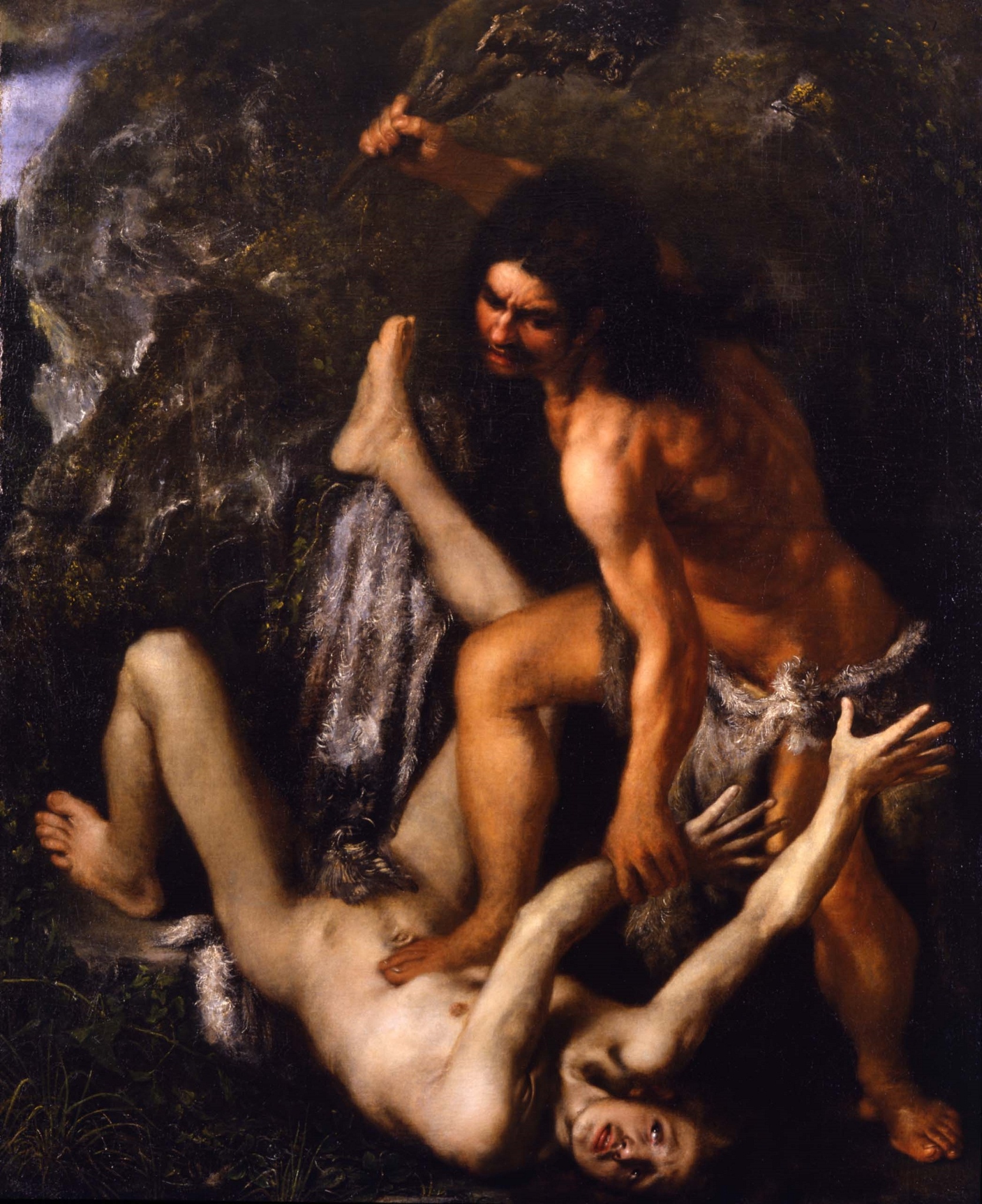
Defined by Martinioni as a 'classic', a painter of 'dilegencia' and finesse, a famous portraitist, Girolamo Forabosco is a leading figure on the 17th century Venetian scene.
Born in Venice in 1605 and died in Padua in 1679, the reconstruction of his artistic and biographical career appears particularly difficult given both the small number of dated works and biographical sources.
Trained under the painter Alessandro Voratori, known as il Padovanino, he would remain faithful to the master's style throughout his long artistic career, embracing the Venetian classicism achieved by Titian with a whole series of influences typical of the years: from the Venetian Tiberio Tinelli, to il Padovanino and the Bolognese Francesco Albani and Guido Cagnacci.
Forabosco's first dated work appears to be a female portrait, known as 'la Menichina', a portrait in which the influences of Padovanino can be seen in the style of Forabosco's early manner.
For art historian Rossetti, it appears interesting to identify and discern two mannerisms of Forabosco's painting, referred to respectively as 'first touch manner' and 'second finished manner', the latter dating back to the 1940s. In this phase some female portraits should be included where, to the traditional echo of Titian, a chromatic and volume virtuosity proper to the painter Bernardo Strozzi is combined. His influence is clearly visible in the votive altarpiece painted in 1646.
On the other hand, the commission for an altarpiece (now lost) for Patriarch F. Comer who died in the same year.
Two years later, the painter was commissioned to paint a double portrait for Doge Contarini and his wife: they are characterised by a sensitive attention to the psychology of the characters.
Despite the scarcity of information on the last years of the painter's life, in the 70s he produced the so-called 'Portrait of a Canon', a work that evidently evokes the 16th century portrait style.