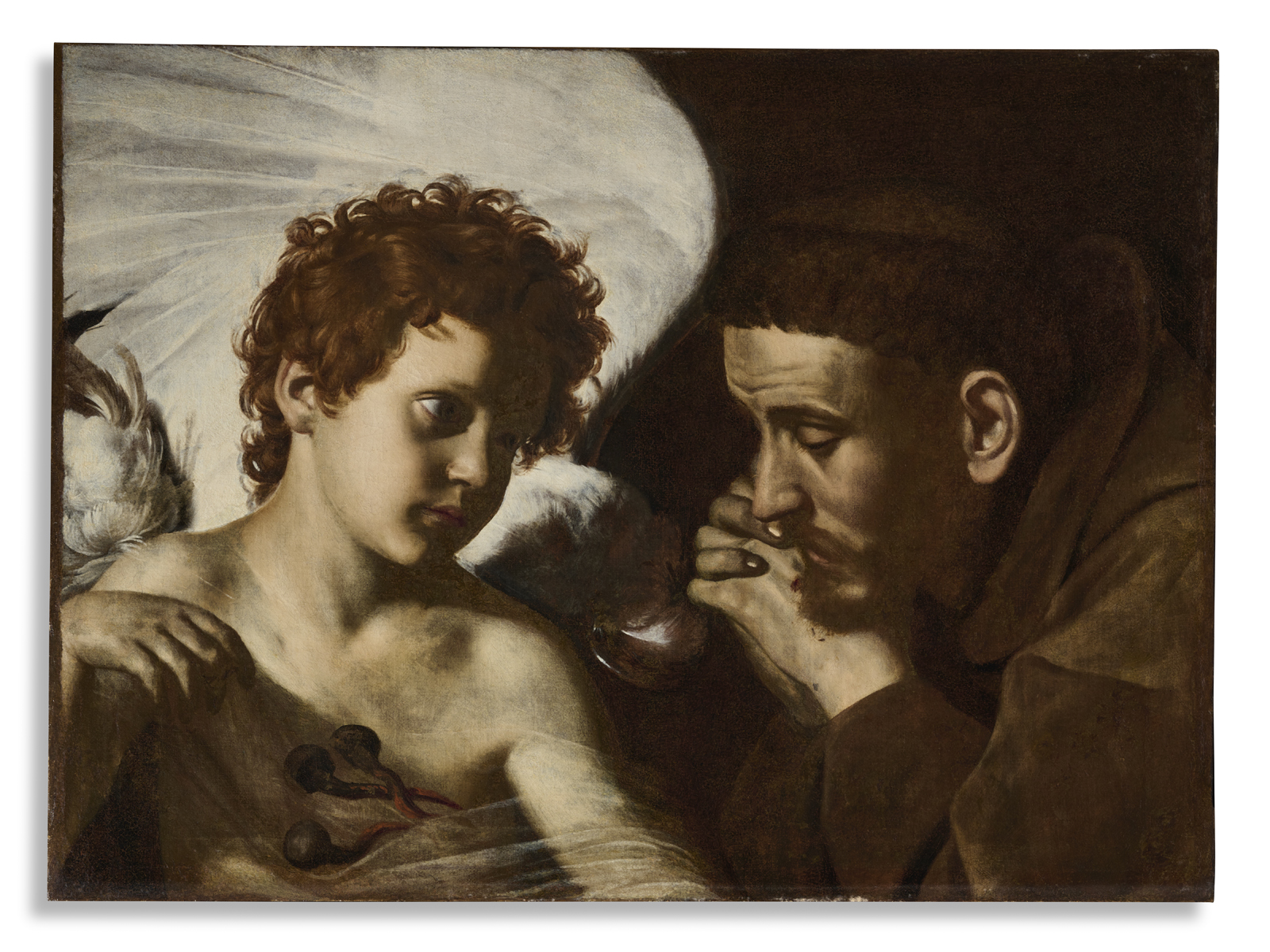
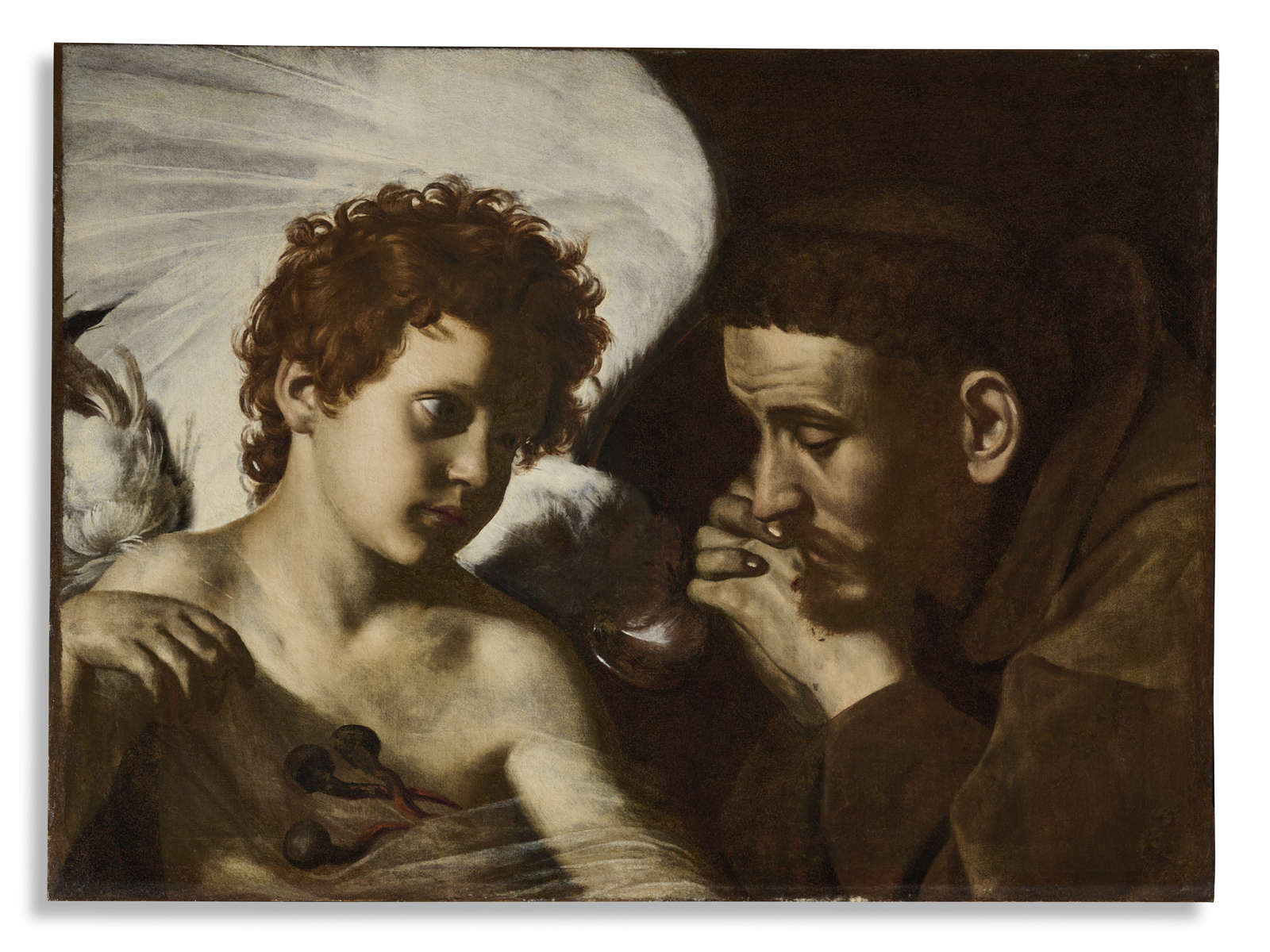
A voice of 17th century Roman Mannerism, Giovanni Antonio Galli was born in Rome in 1585 and died in his hometown in 1652.
The nickname by which he is usually referred to does not simply derive from his father's trade but also highlights the character and temperament of one of the proudest proponents of Caravaggio's lesson.
It was precisely the painter from Lombardy who was one of the masters, together with Agostino Tassi, who most influenced Spadarino in his youthful training, adopting the same stylistic and iconographic lexicon.
Caravaggio's lesson saw a change from the 1620s and the following decade when a second master, Carlo Saraceni, intervened, who provided the young Spadarino with new elements and tools with which he could develop his own personal manner, reinterpreting the influences and knowledge he had previously learnt.
We witness the development of an entirely personal approach to painting: Galli favoured a general embellishment of both the pictorial matter and above all the narrative rendering, departing from the iron realism of Caravaggio, proposing a softer representation of environments as well as the use of shadow, understood as a deep and vibrant atmosphere, imbued with a profound melancholy, an element that will always distinguish his canvases.
The reconstruction of Galli's activity appears particularly difficult both due to the scarcity of documents and because many of the works he produced, for private commissions, have been lost, impeding difficult chronological and attribution practices.
From 1603 to 1620, Galli was in the service of Cardinal Giovanni Delfin and during this period, the Roman painter, thanks to a series of documents, was involved both in the execution of a series of frescoes in the Sala Regia of the Quirinale followed by the master Agostino Tassi who, according to the art historian Roberto Longhi, appears to be one of Galli's guiding figures together with Carlo Saraceni.
In 1619, there is evidence of a payment by the Florentine Medici family for a large painting, the subject of which is unknown.
The most important commission of the period is the altarpiece with “the martyrdom of Sts. Valeria and Martial” for St. Peter's, the final payment for which dates to 1633.
In 1638, Galli received the commission to fresco today's Manzoni and Garibaldi rooms in Palazzo Madama and obtained this commission thanks to the intermediary Tassi, who was once again at Galli's side.
A work particularly famous for the debate it provoked is “Narcissus”, which for a long time was attributed to Caravaggio.
From 1638 to the year of his death, 1652, Galli was involved in a series of private commissions whose sketches of the works appear in the list drawn up by his sister de days after the artist's death.