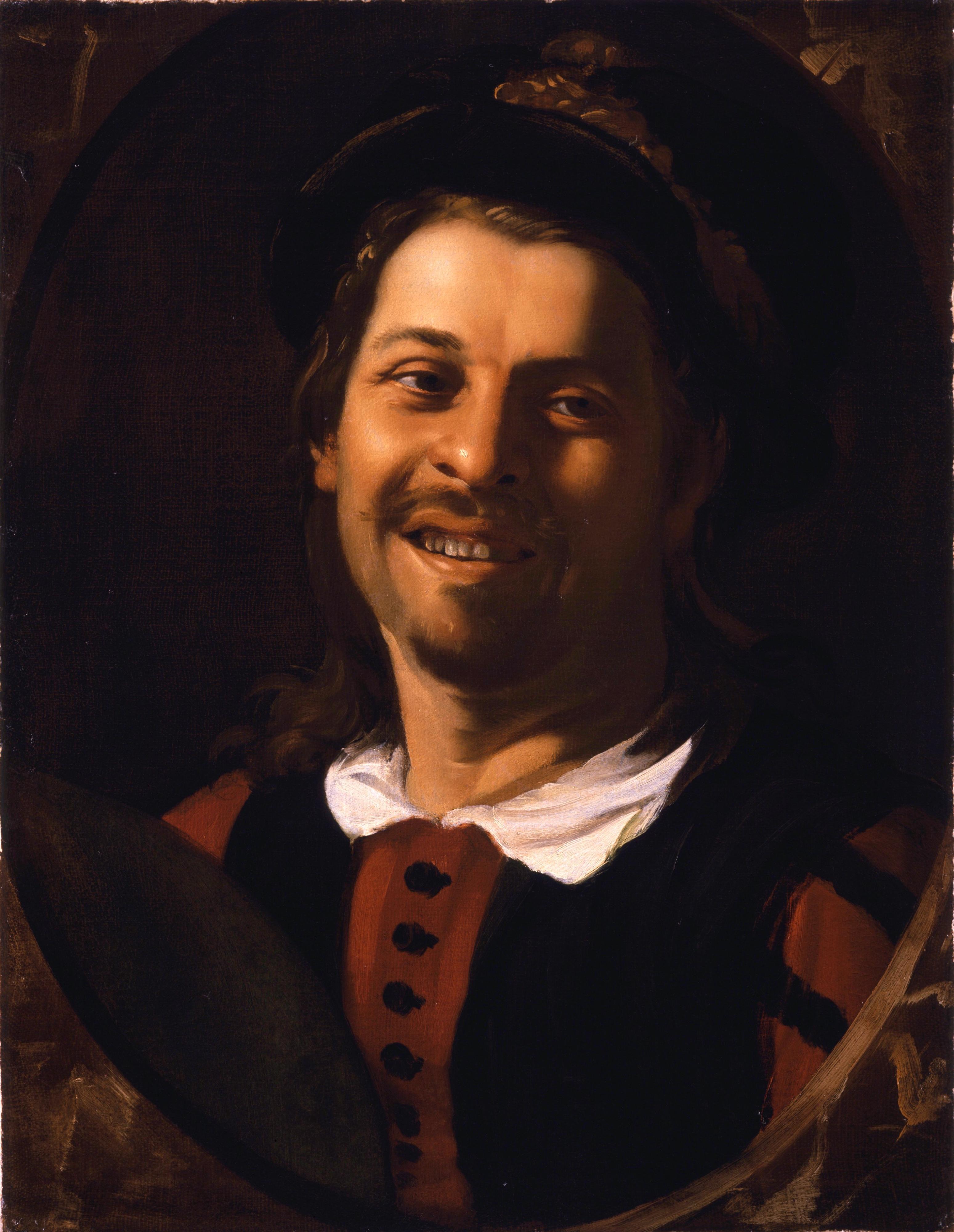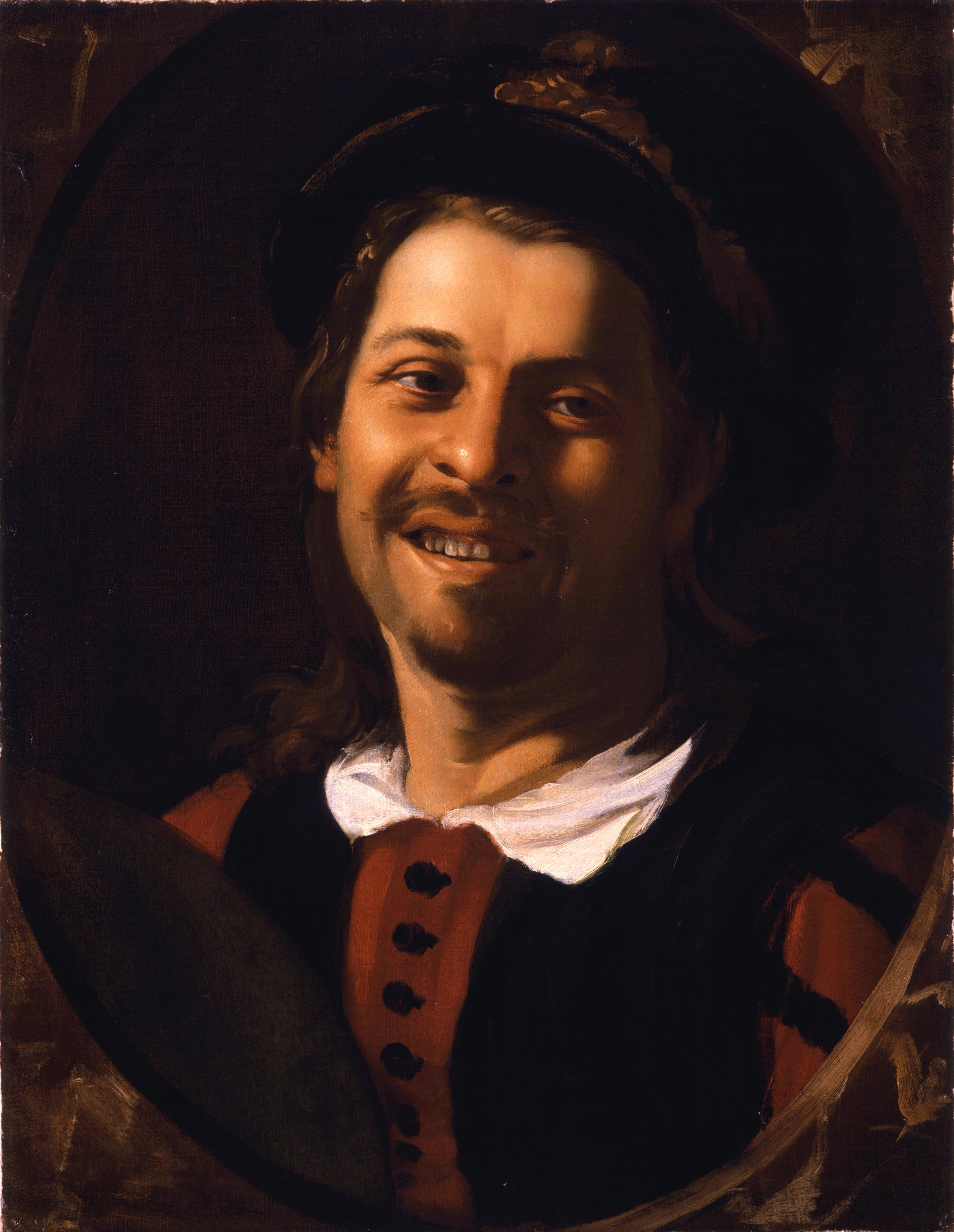
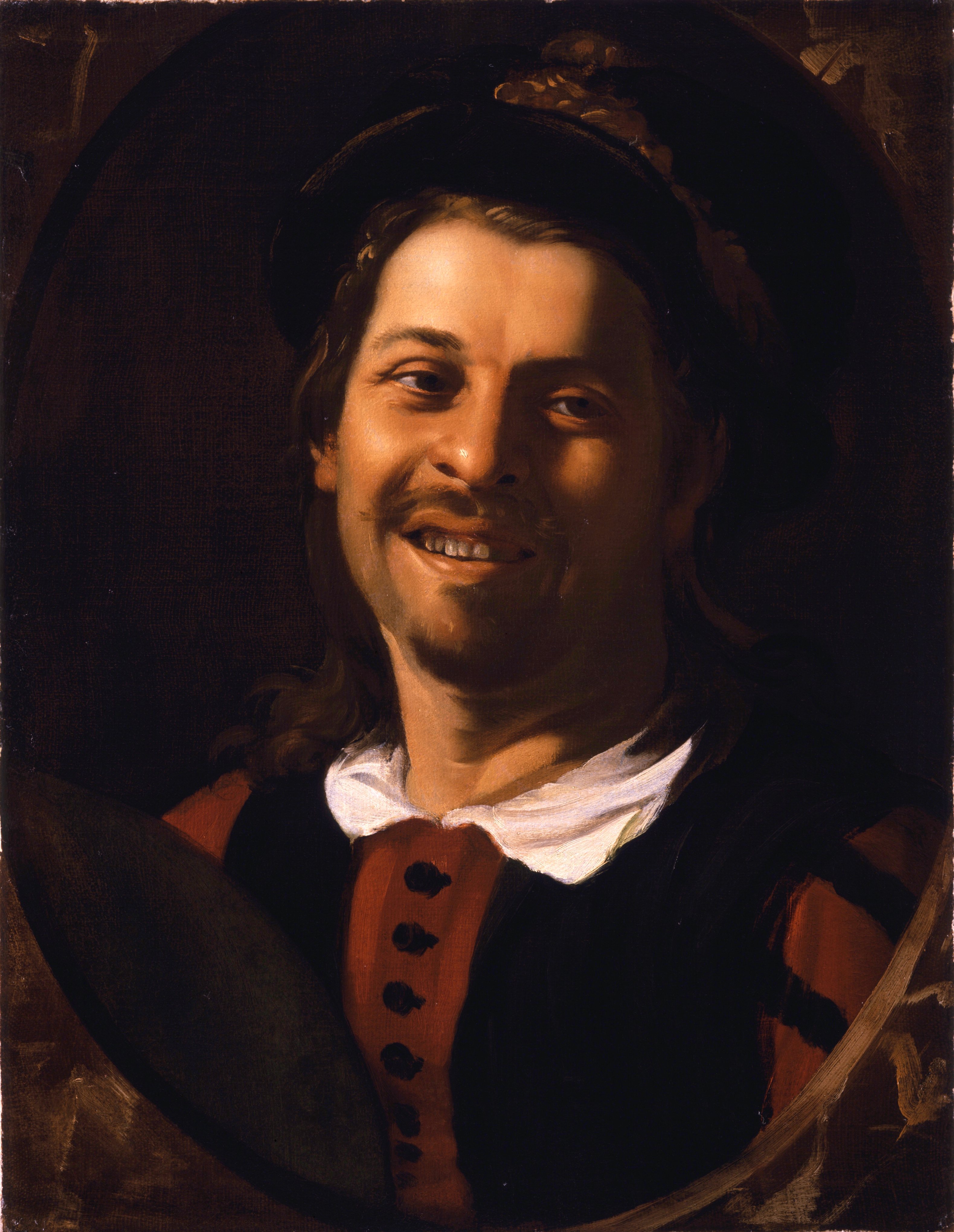
Recorded by Giulio Mancini in his Viaggio di Roma per vedere le pitture (1626), David de Haen was likely one of Dirck van Baburen's earliest collaborators, and he is listed in records of 1619-20 as living with Baburen in the parish of Sant'Andrea delle Frate. The details of his life are scant. We can suppose he was born in Amsterdam since a drawing exists of the Flaying of Marsyas, now in the Gabinetto degli Uffizi, Florence, which is signed ‘David Han da Amsterdam.’ He died in Rome on 31 August 1622, although the date of his arrival in the city is not known, and neither is that of his birth. Scholars have placed it around 1585.
His surviving oeuvre, which has only recently been rediscovered, consists of only about ten pictures. His first known work, signed and dated 1616, is a portrait of a gentleman now in a private collection in Amsterdam. Between 1617 and 1619, he worked with Baburen on the chapel of San Pietro in Montorio, in which he completed a lunette with the Mocking of Christ, and in the same period he painted a Prometheus for Gaspar Roomer in Naples, now in a private collection in Rome. He later worked for Pietro Cussida, Spanish envoy to Rome, having already decorated the Cussida chapel in San Pietro in Montorio and later making a number of replicas of the altarpiece for it (Centraal Museum, Utrecht, Bob Jones University Art Gallery, Greenville, South Carolina, University of Michigan Museum of Art, Ann Arbor, and private collection, Milan).
De Haen also painted a series of the Evangelists in La Seo cathedral in Zaragoza, Spain, at Cussida’s behest. He died of a high fever in the Roman palazzo of the Marchese Vincenzo Giustiniani, for whom he had painted an Entombment (formerly in the Kaiser Friedrich Museum, Berlin, destroyed in the Second World War).