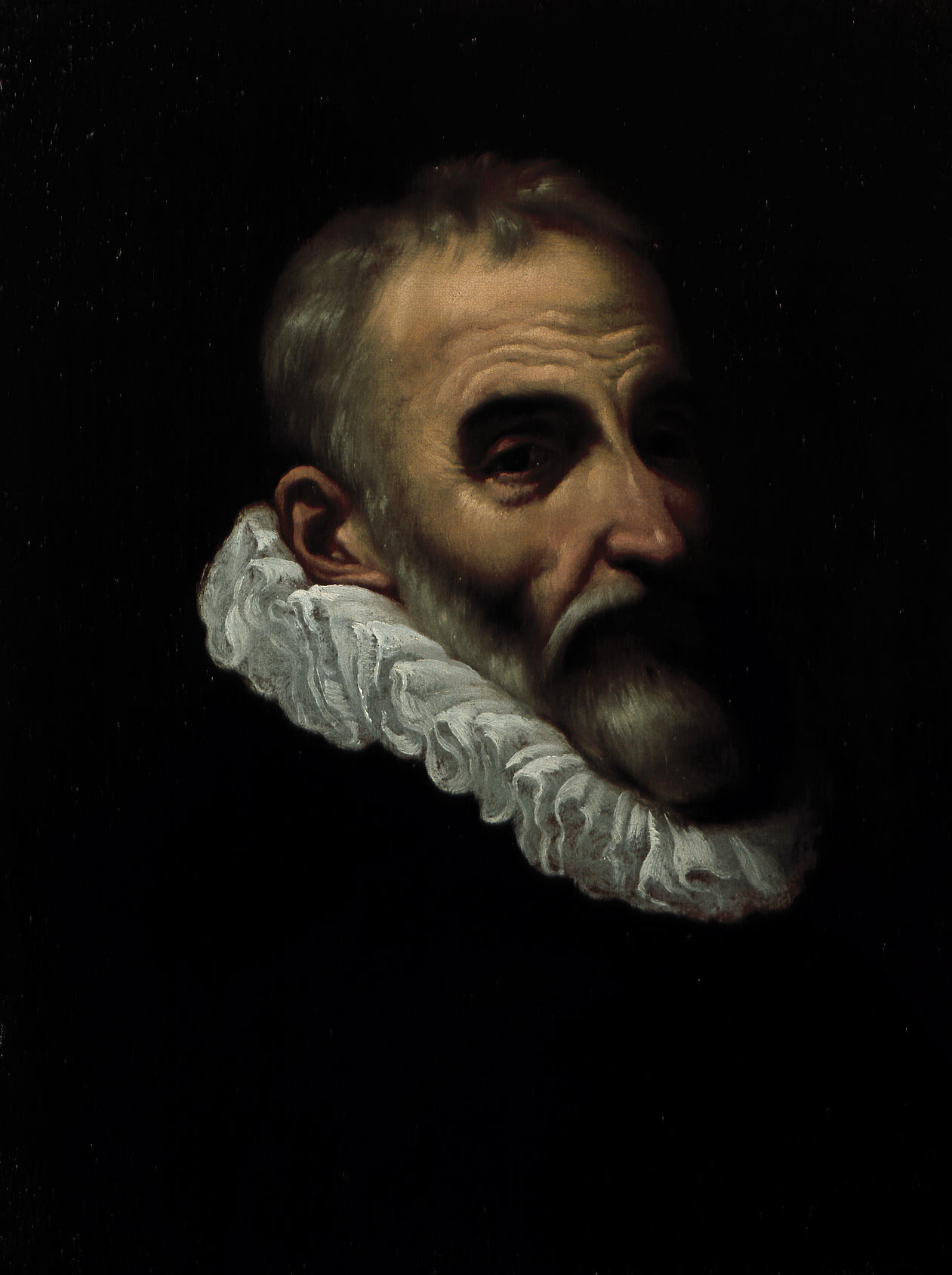
Counted among the most important painters of 17th century Lombardy, few biographical details of the life of Daniele Crespi are known: he was likely born between 1597 and 1598, and he died of the plague in 1630. Coming from a family of painters, to which the famous artist Giovanni Battista Crespi, known as il Cerano, belonged, he was precocious and talented from an early age. According to documents of the time, he received his first commission in 1619: the dome for the chapel of San Vittore al Corpo in Milan together with three paintings for St Antonio.
Crespi's early works show the influence of Procaccini and Morazzone, especially in his compositions and the use of light in the first fresco. Put in conversation with his Beheading of St John the Baptist, painted in the same year, one sees a different reinterpretation Morazzone's style. Typical of Crespi's style are sudden changes, drawing on different schools and styles, reinterpreting them in a personal manner and incorporating such styles into his works, which creates difficulties in the dating process of his repertoire. Starting in 1621-22, Crespi's style underwent yet another change that led him to embrace a style decidedly closer to Cerano, not visible in the focus placed more on emotional investigation to the detriment of compositions. The Conversion of St Paul (Heim Gallery, London), for example, belongs to this period.
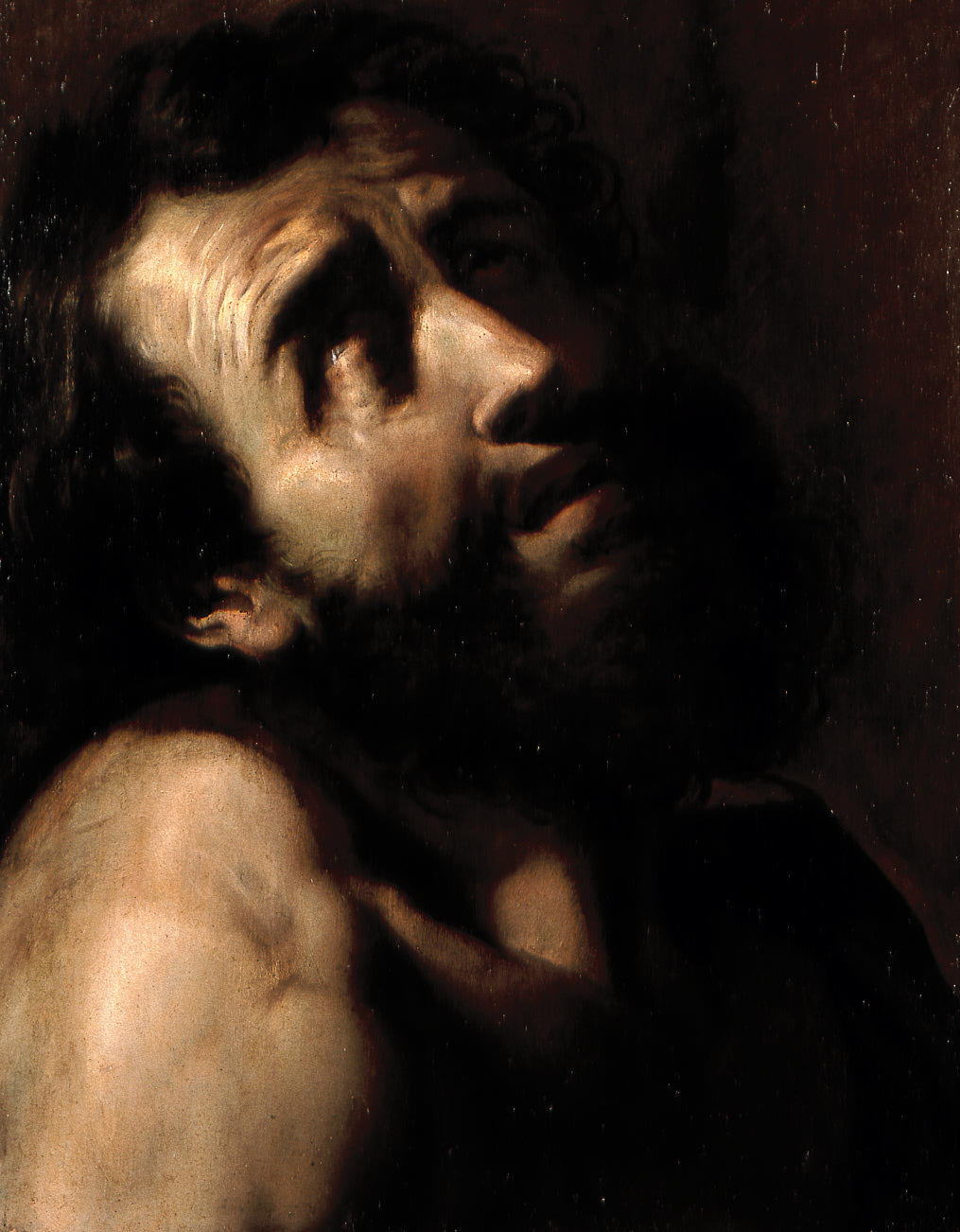
Significant for Crespi appears to be the contribution of Vermiglio, who came to Lombardy after his Caravaggesque experience in Rome. Starting in 1622, Crespi embraced a bare style, focused on strong realism and investigation of the emotional and psychological dimension, an element he maintained from his previous phase. The strong realism, the play of light and shadow and, above all, a minimalist painting style are elements that can be found in the Fasting of St. Charles of S. Maria Passion in Milan, where the religious and ascetic aspects are emphasised.
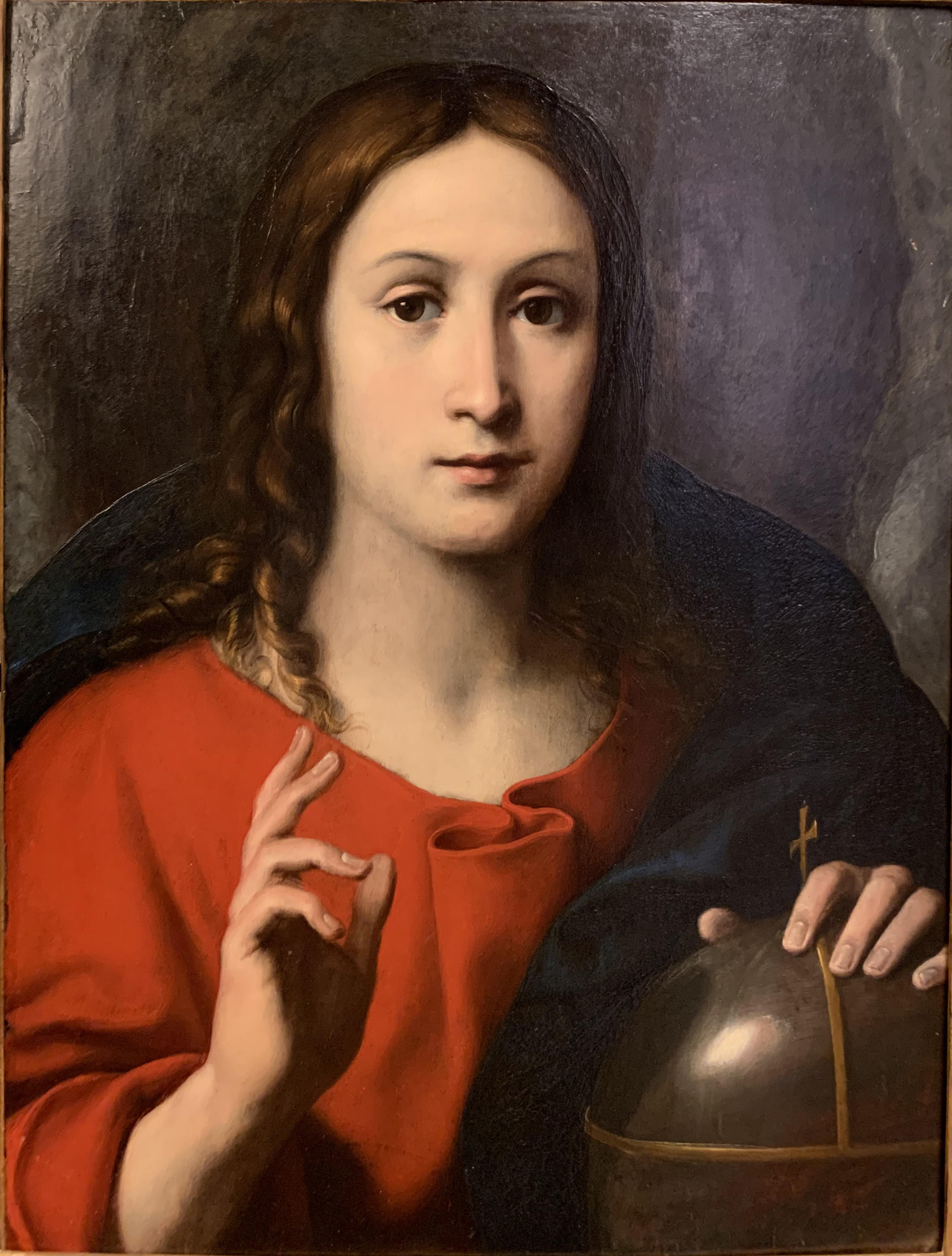
The evolution of Crespi's style is by no means linear, but rather appears as a continuous reaction to different stimuli that he had in his meteoric career: starting in 1628, for example, one can count works such as the Prado Pietà, sent to Spain, as an example of stylistic maturity within which one can see an abandonment of Caravaggesque influences for details of Emilian painting with greater compositional balance and brighter hues.
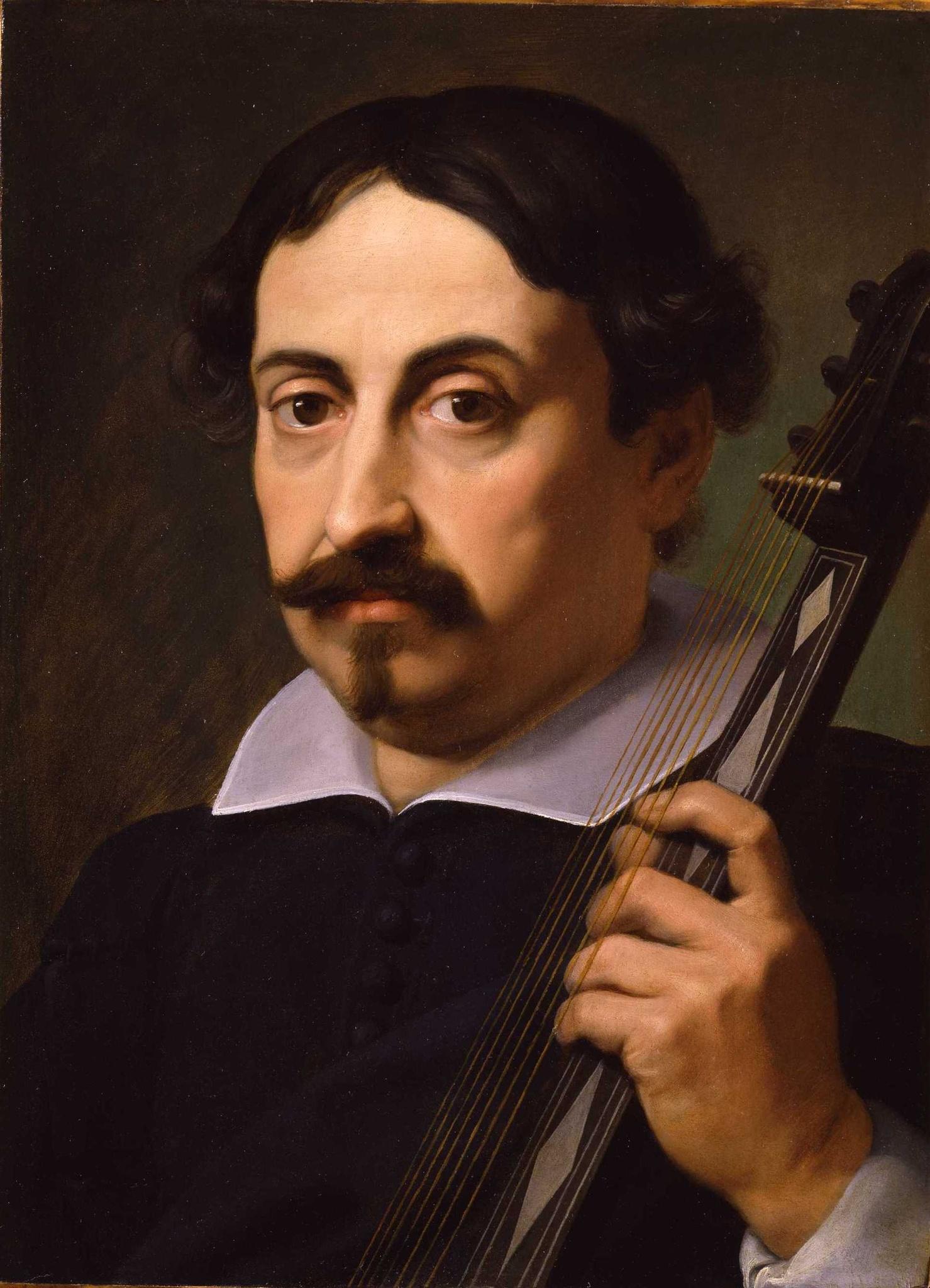
Starting in 1629, an unfinished but monumental work, appears his last commission, the frescoes of the Carthusian monastery of Garegnano: here we witness the last deviation of Crespi's style, consisting of a careful search for the gestural rhetoric of the characters. Alongside the realisation of religious subjects, the documentation of the time recalls Crespi as an excellent portrait painter. Although there is little evidence of portraits of the Lombard painter, his self-portrait in the Uffizi Gallery remains notable. At the time of his death, an inventory was drawn up for historians to understand the figure of the artist; interesting is the considerable number in his collection of books, around eighty, ranging from many different subjects including anatomy, perspective, antiquity, and philosophy, among others.