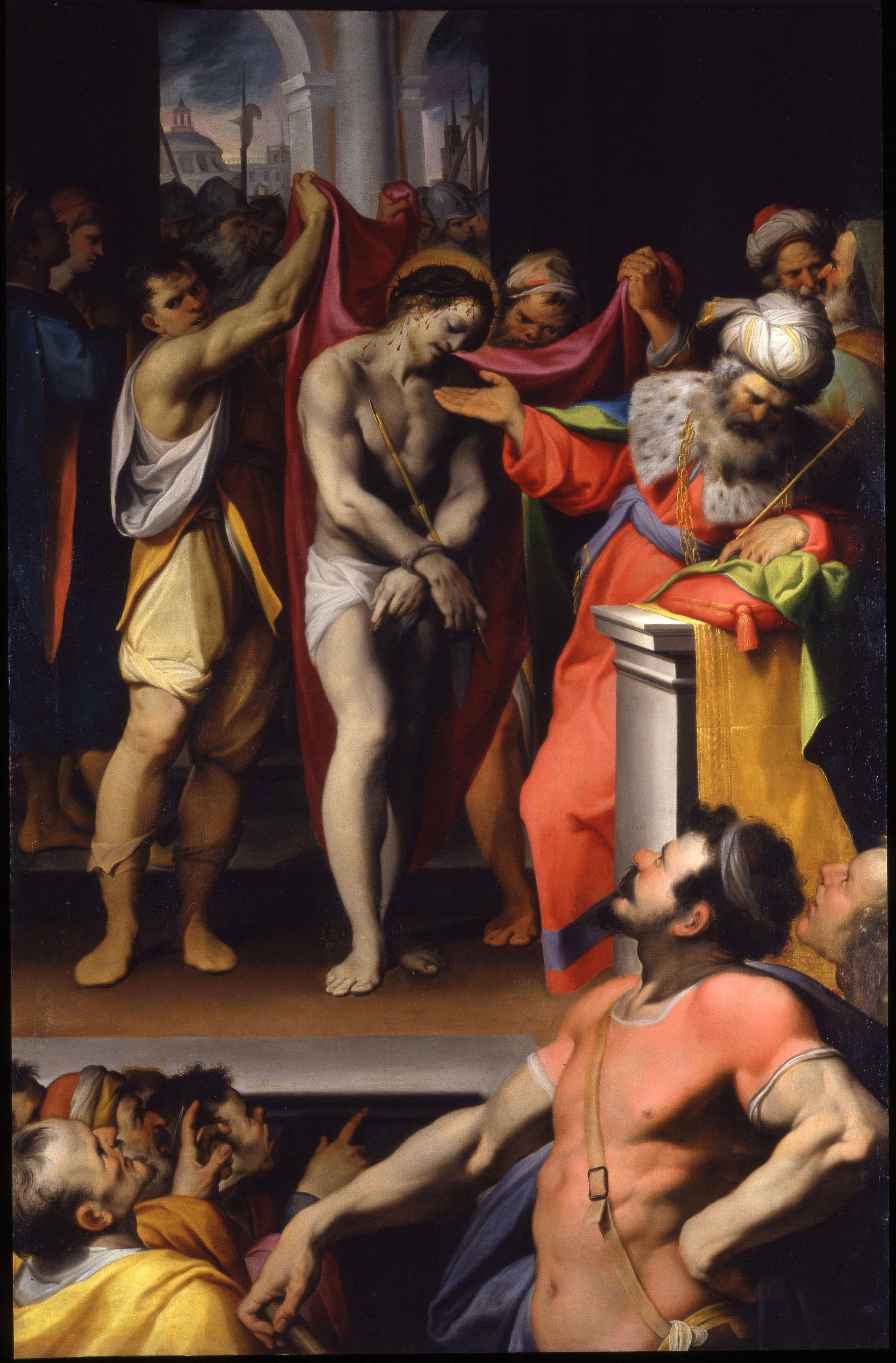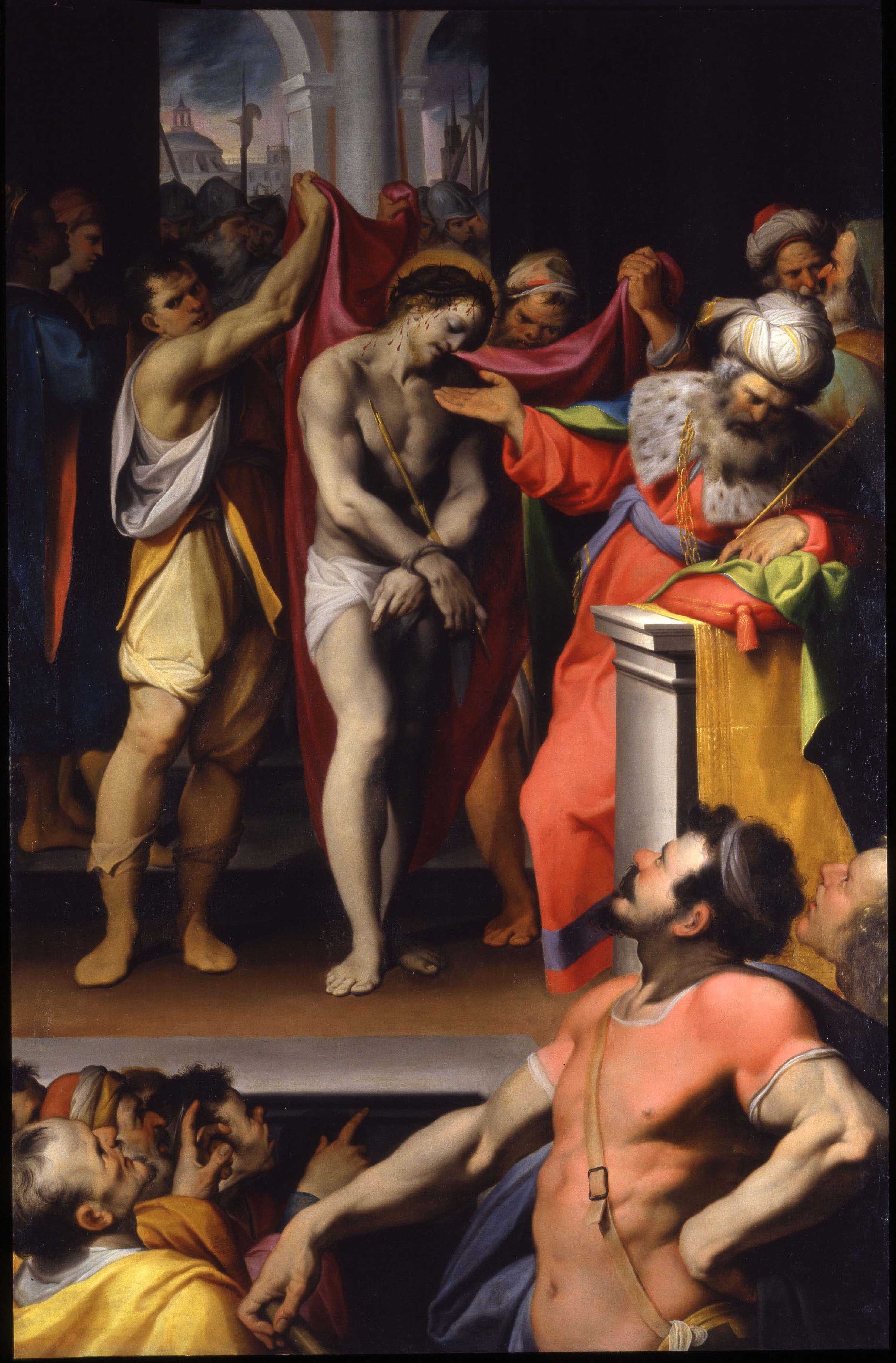
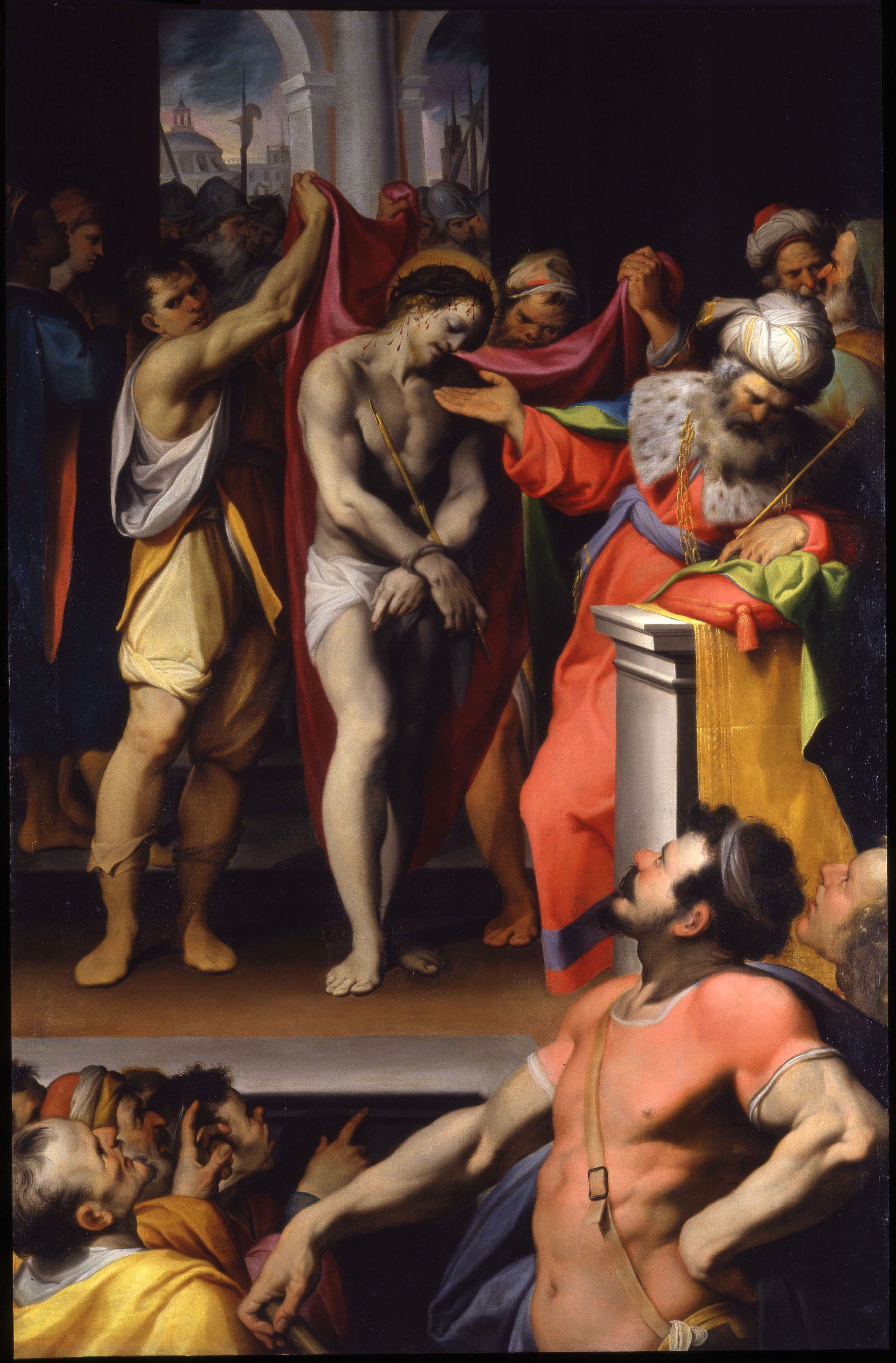
An undisputed protagonist of seventeenth-century Milanese painting and representative of Counter Reformation iconography, Camillo Procaccini was born in Bologna in 1561 and died in Milan in 1629. His father was the famous Ercole Procaccini, and Camillo was able to carry out his training in his father's workshop together with his brothers.
Procaccini's style in his youthful phase is clearly visible in the canvas entitled St. John the Baptist at the Fountain dating from 1577, where we see the blending of both his father's background and the reinterpretation of models from Raphael, Michelangelo, and Pellegrino Tibaldi. Belonging to the same historical period is the commission from Cardinal Paleotti, who entrusted him with a series of frescoes for Bologna Cathedral, which have unfortunately been lost. In 1586, a group of Parma painters wished to establish an academy of painting and sculpture with Proccaccini himself as the guide.
The artist was unable to take part in the initiative because in that year he moved to Milan, following Count Pirro I Visconti Borromeo. From 1587 to 1589, Procaccini created a series of decorative frescoes with mythological and profane themes for the count's nymphaeum at his villa in Linate. This is the first example of the young painter's output that did not deal with religious themes, remaining, however, true to the pictorial and iconographic motifs, including the styles and models of Correggio and Barocci. From 1590, a particularly fruitful period began for Procaccini that saw him engaged both in technical experimentation, such as approaching the process of etching, and in activities as a draughtsman.
From 1592–95, Camillo painted the decoration of two doors for the organ of the Milan cathedral depicting the Triumph of David. This work proved the definitive departure from the youthful Bolognese style in favour of a decidedly more severe and austere style in keeping with the Counter Reformation painting desired by the Borromeos. The style expressed from this commission would, over the course of his long career as a painter, become increasingly pronounced to the extent that his style and fame allowed him to open a flourishing workshop in Milan. The Pentecost in Lodi and the decoration of the chapel of San Gregorio in San Vittore in Milan date back to the first decade of the 17th century.
Procaccini's fame was such that he carried out several commissions not only in Milan but also in other important northern cities such as Vicenza, Lodi and Piacenza. To crown a long and successful career, in 1627 Gomez Suarez de Figueroa, Duke of Feria, Spanish governor in Milan, commissioned Procaccini to paint two paintings, which have unfortunately been lost. His last work is perhaps the Adoration of the Magi in the parish church of Biumo Inferiore, Varese.