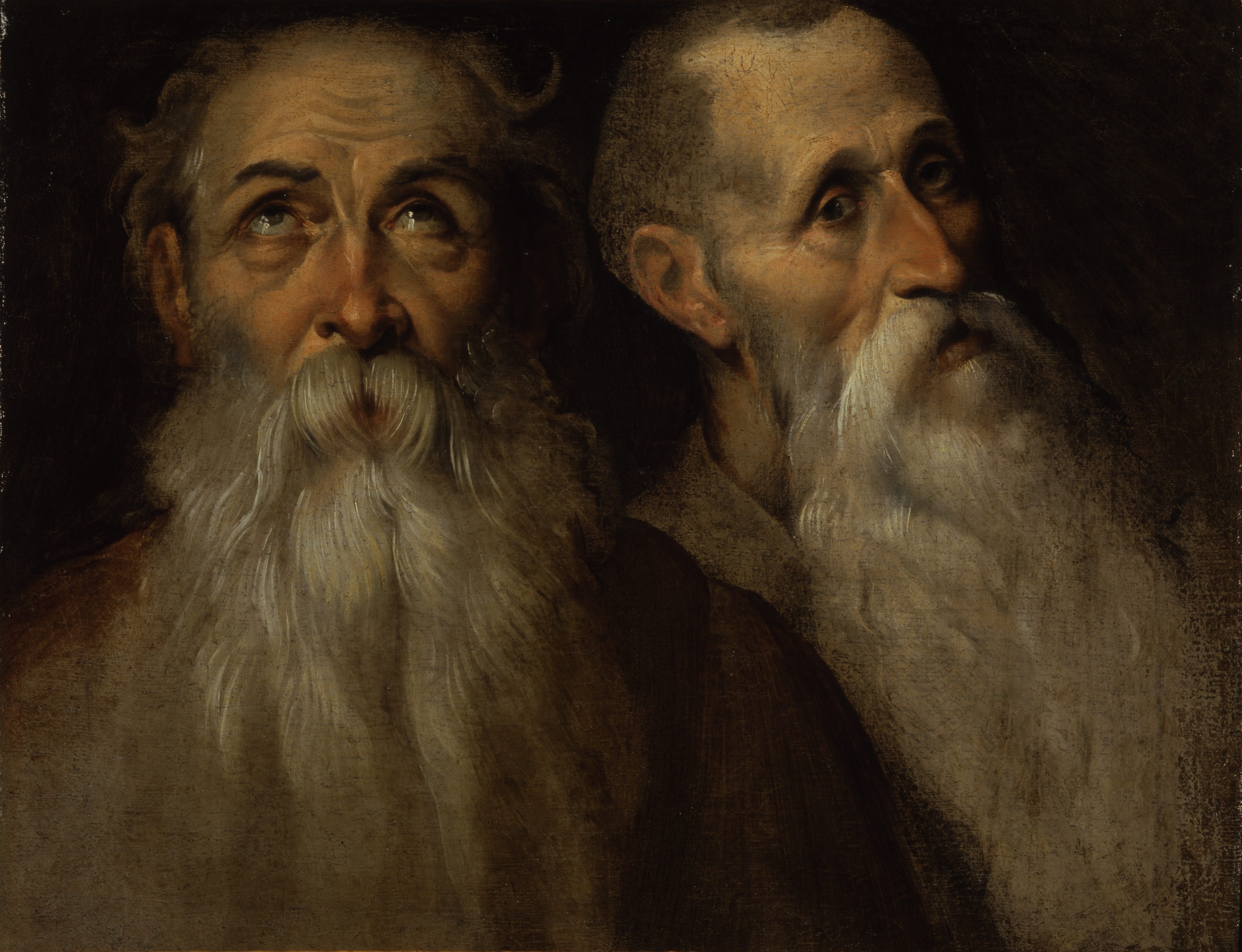
Bartolomeo Passerotti was born in Bologna in 1529. Any known facts about his early education are rare. As reported by his first biographer Raffaello Borghini, in 1551 the artist was in Rome, where he remained approximately for a decade, first as a pupil of the architect Jacopo Barozzi (also called Vignola), then sharing the house with his peer the painterTaddeo Zuccari. Here Passerotti refreshed his manner with the latest news of the Roman Mannerist style, never forgetting his Emilian origin, profoundly shaped by Correggio’s and Parmigianino’s examples.
Back in Bologna in 1560, the artist with his large studio became the focal point of the city's artistic life and received several important commissions, especially for religious paintings and portraits of illustrious Bolognese personalities, such as Pope Gregory XIII. Nevertheless, he is now primarily remembered for his pioneering genre scenes of butcher's shops; a series of four paintings which in 1603 joined the collection of Caravaggio’s patron Ciriaco Mattei. Breaking free from the prevailing Mannerist style with their lively observations, in parallel with Antonio Campi’s work in Cremona, they reflected the influence of northern painters Pieter Aertsen and Joachim Beuckelaer and prepared the way for Annibale Carracci’s genre scenes.


