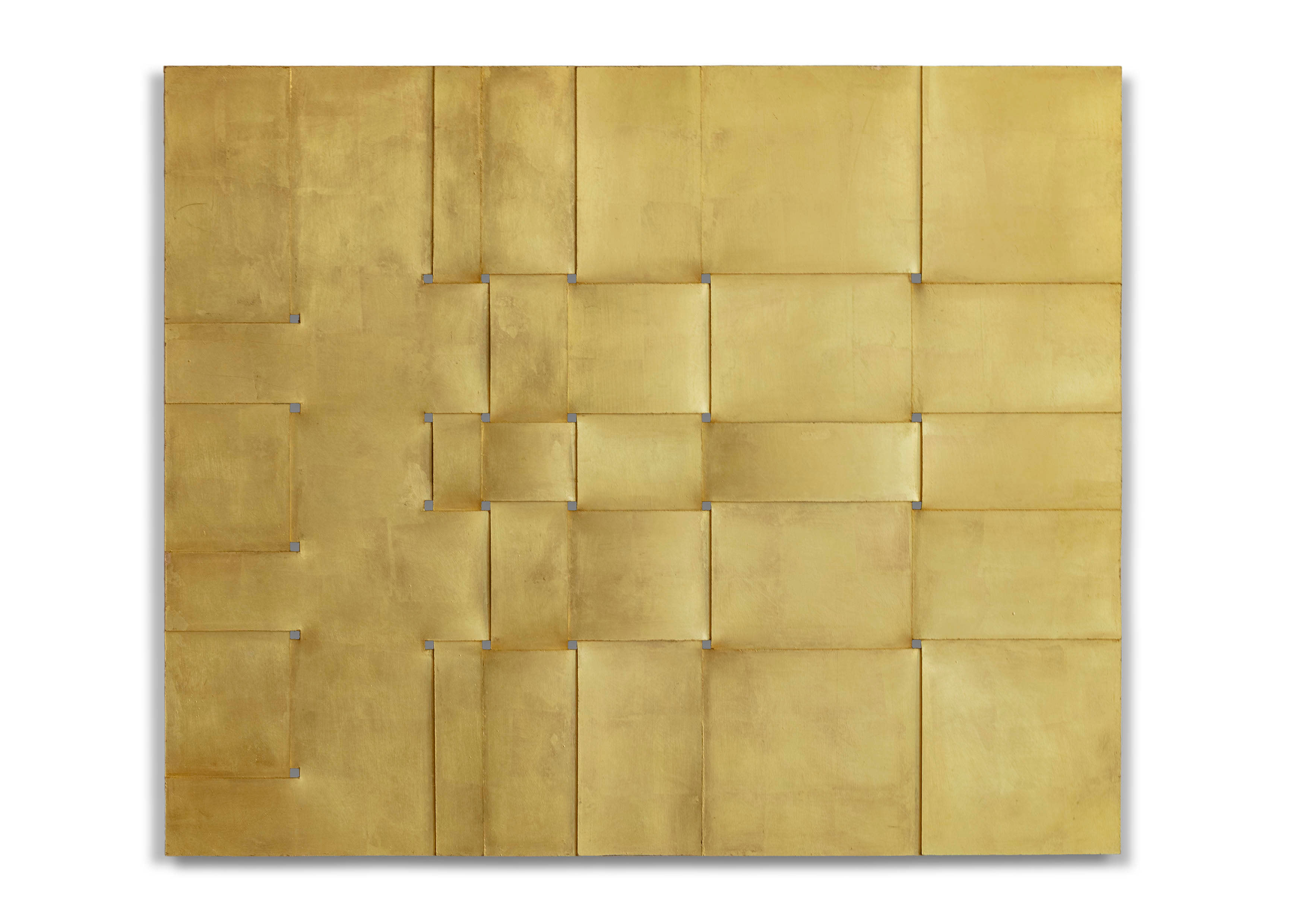
Armando Marrocco was born in Galatina, Italy, in 1937. Showing an innate artistic talent from a young age, his parents encouraged his training by arranging apprenticeships for him with a tinsmith, followed by a stonemason. His experience in these workshops nurtured an early fascination with material and the artisanal process, which was to shape his later work.
After these apprenticeships, Marrocco progressed onto more formal artistic education in his hometown, and in 1959 he met Lucio Fontana, on whose advice he moved to the artistic hub of Milan in 1962. Around this time, Marrocco also produced his first significant body of work, the Bianco Mediterraneo (White Mediterranean) series, using simple materials combined together and showcasing his interest in form and interrelation of objects.
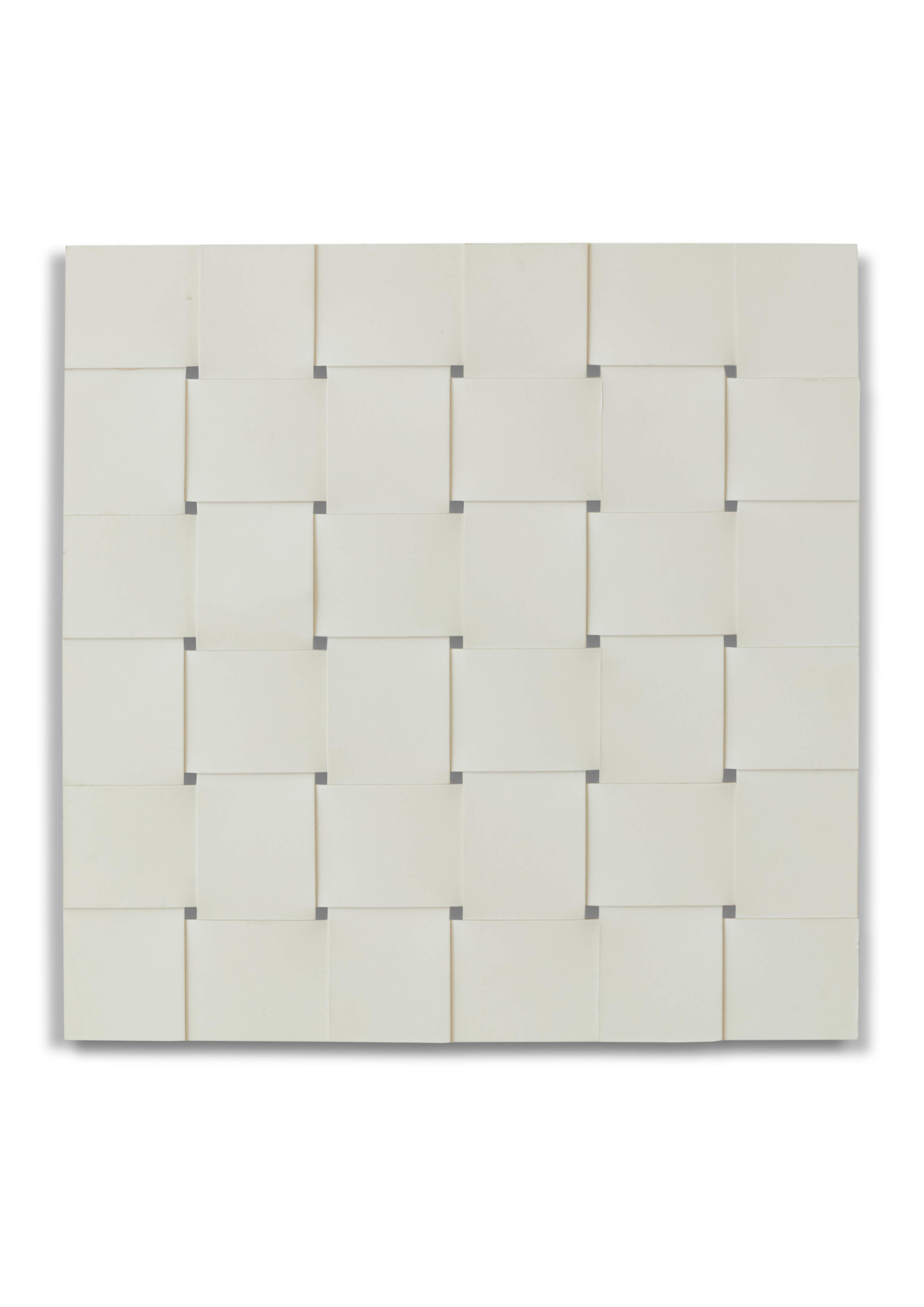
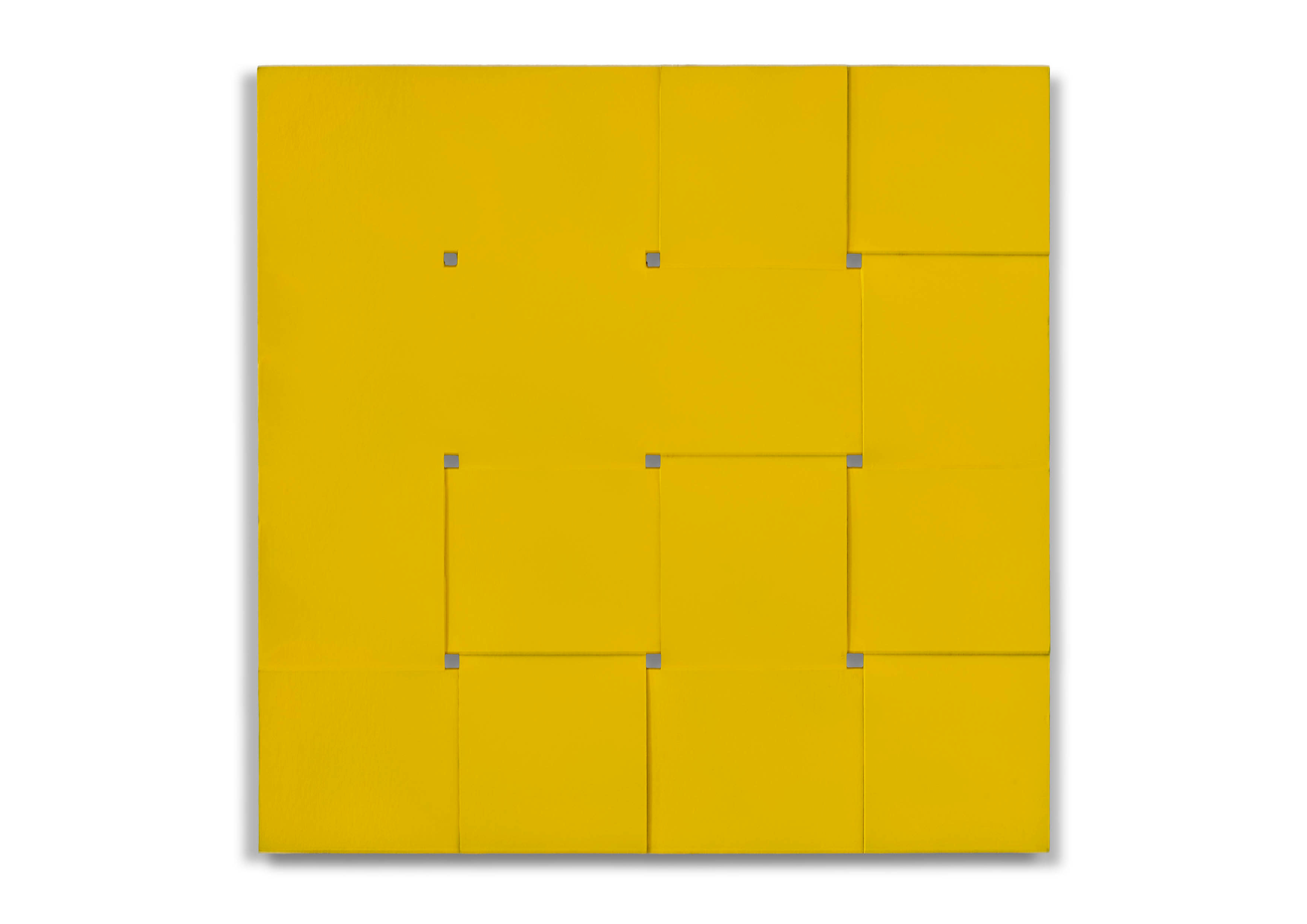
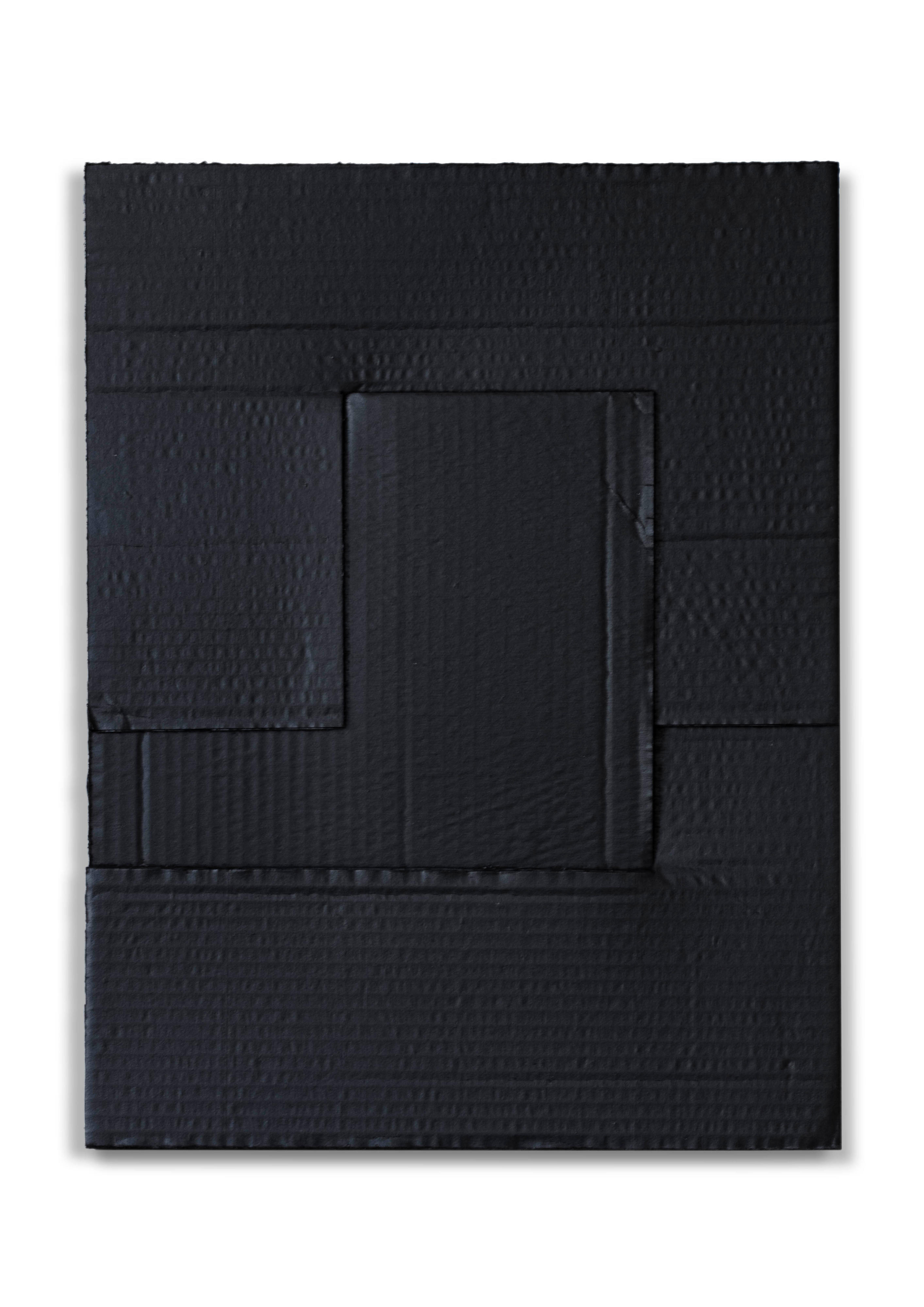
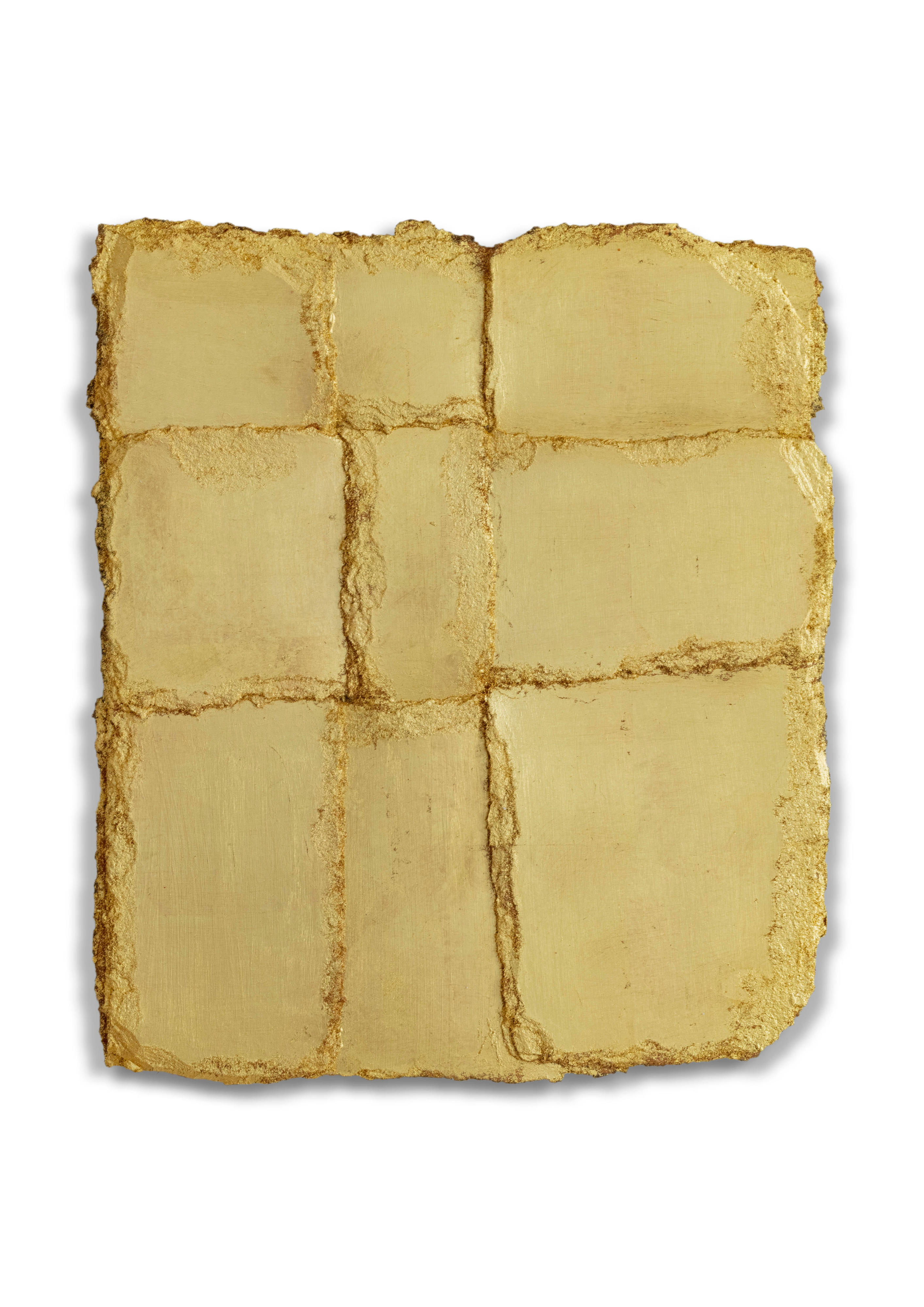
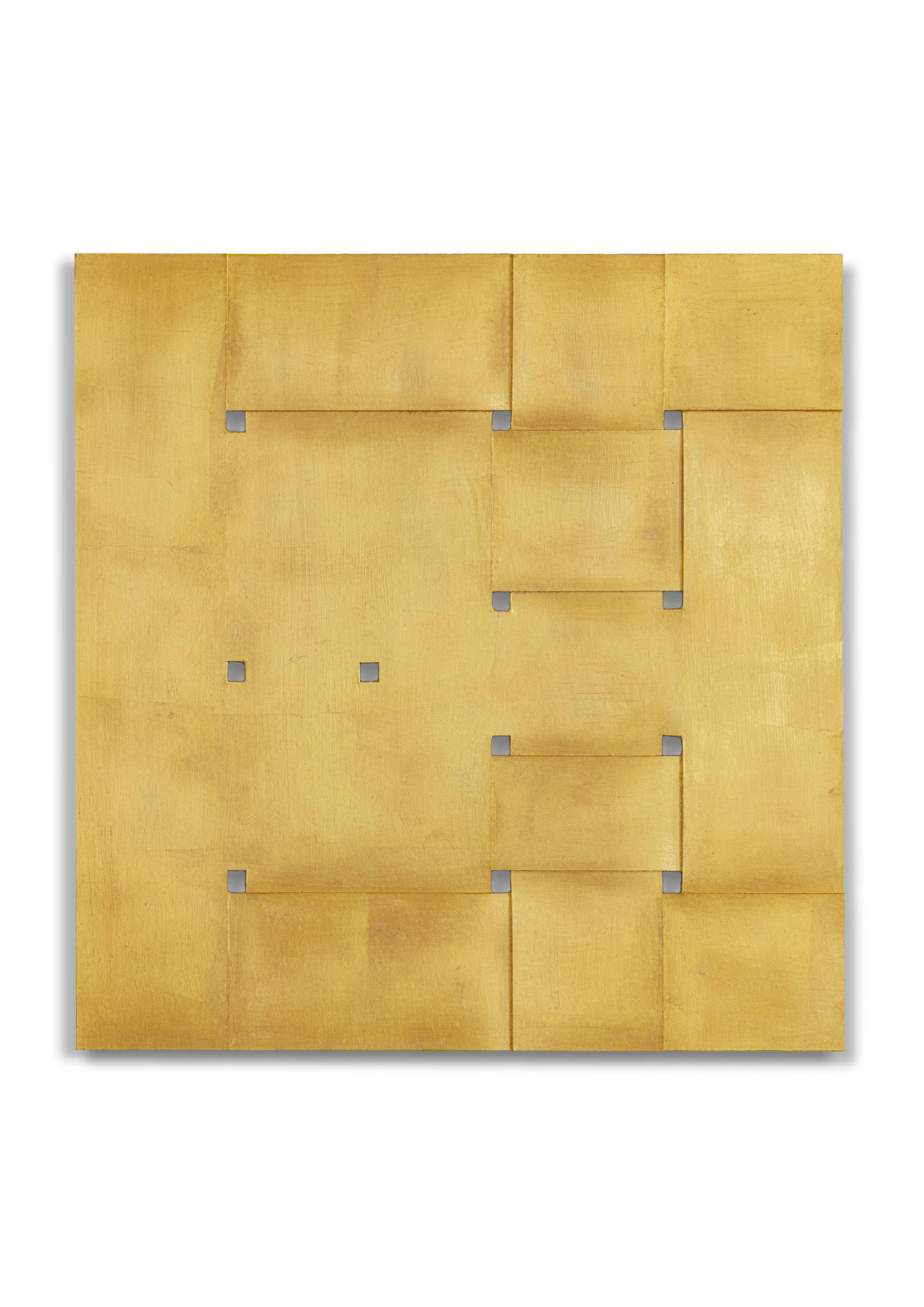
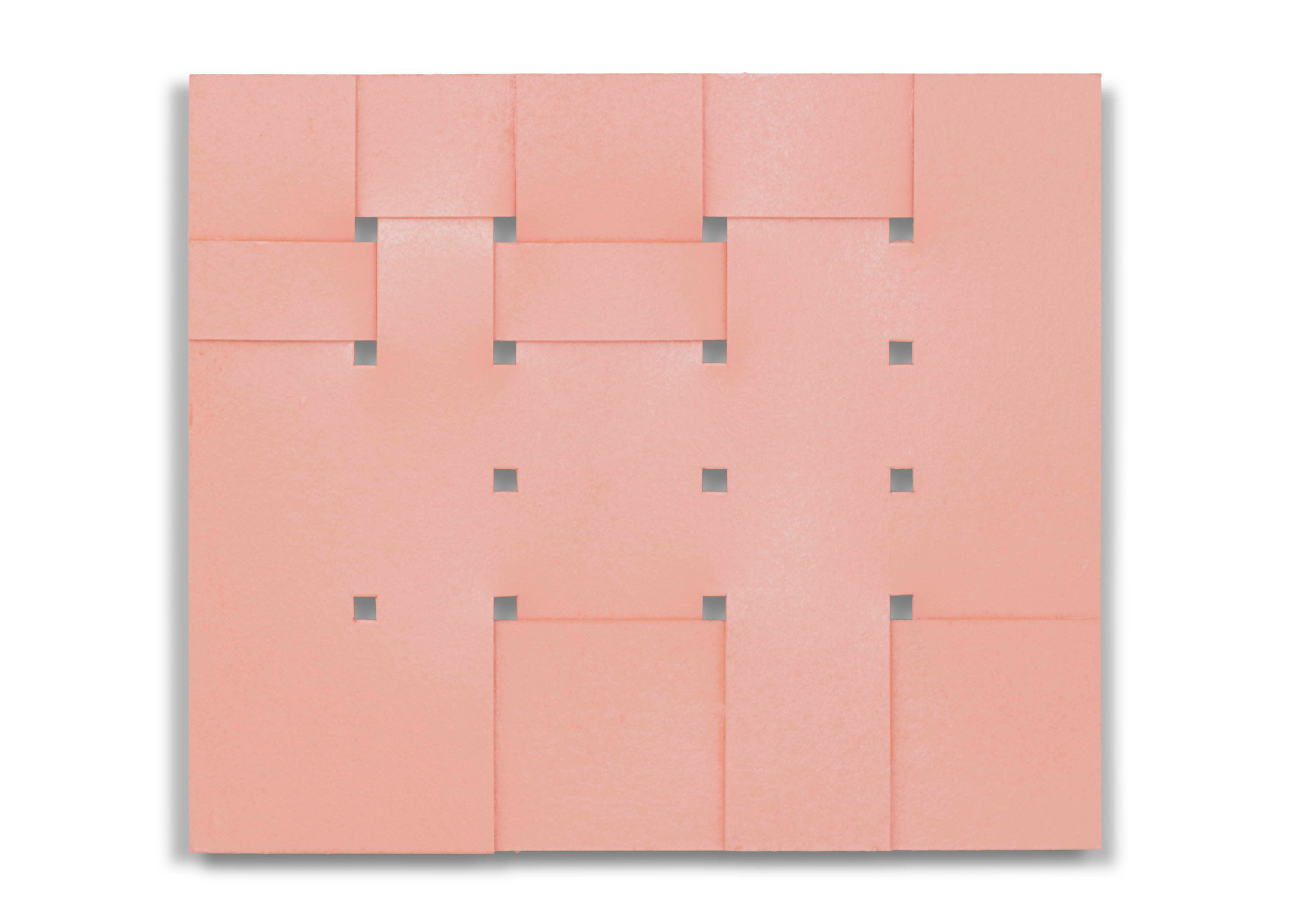
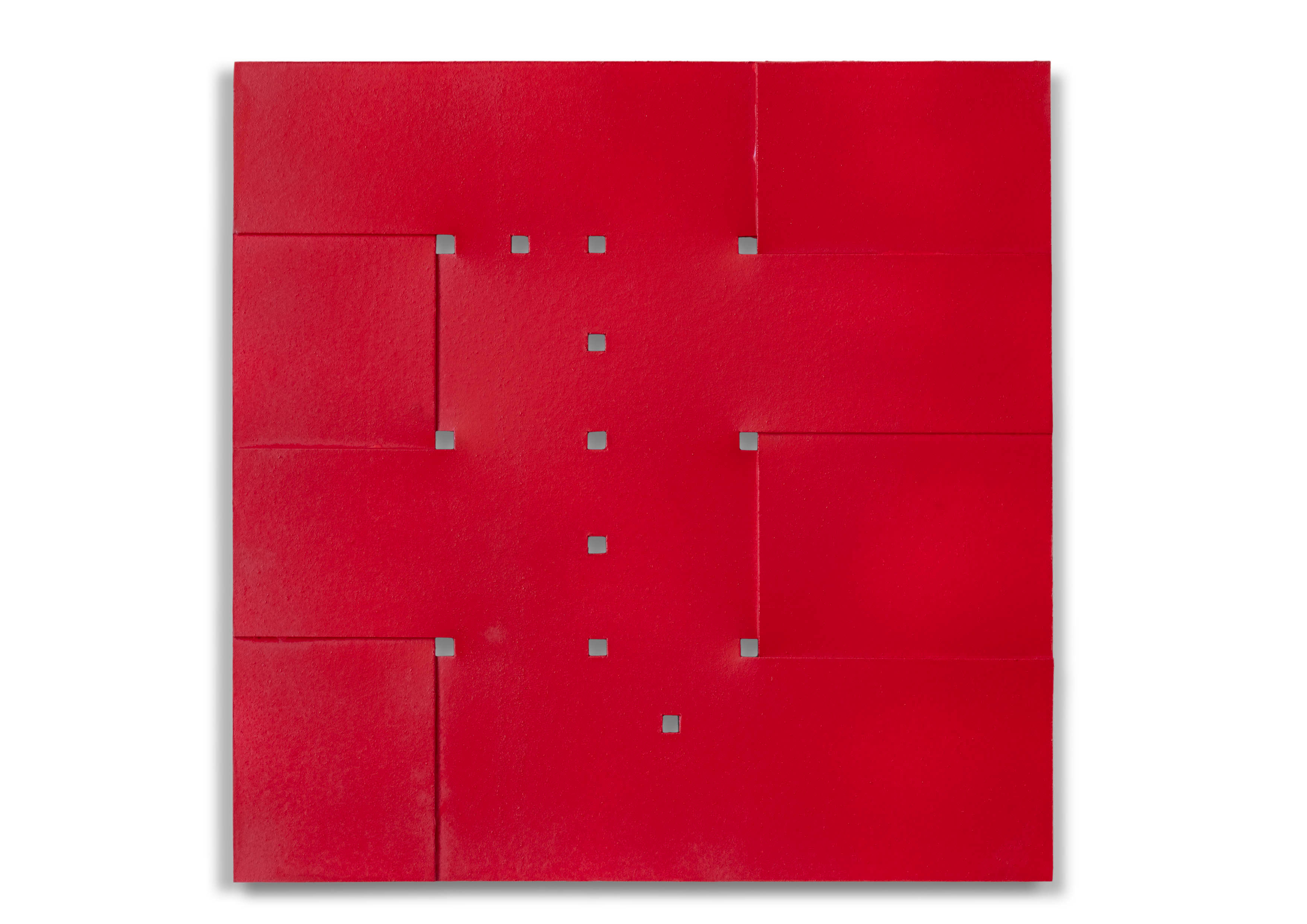
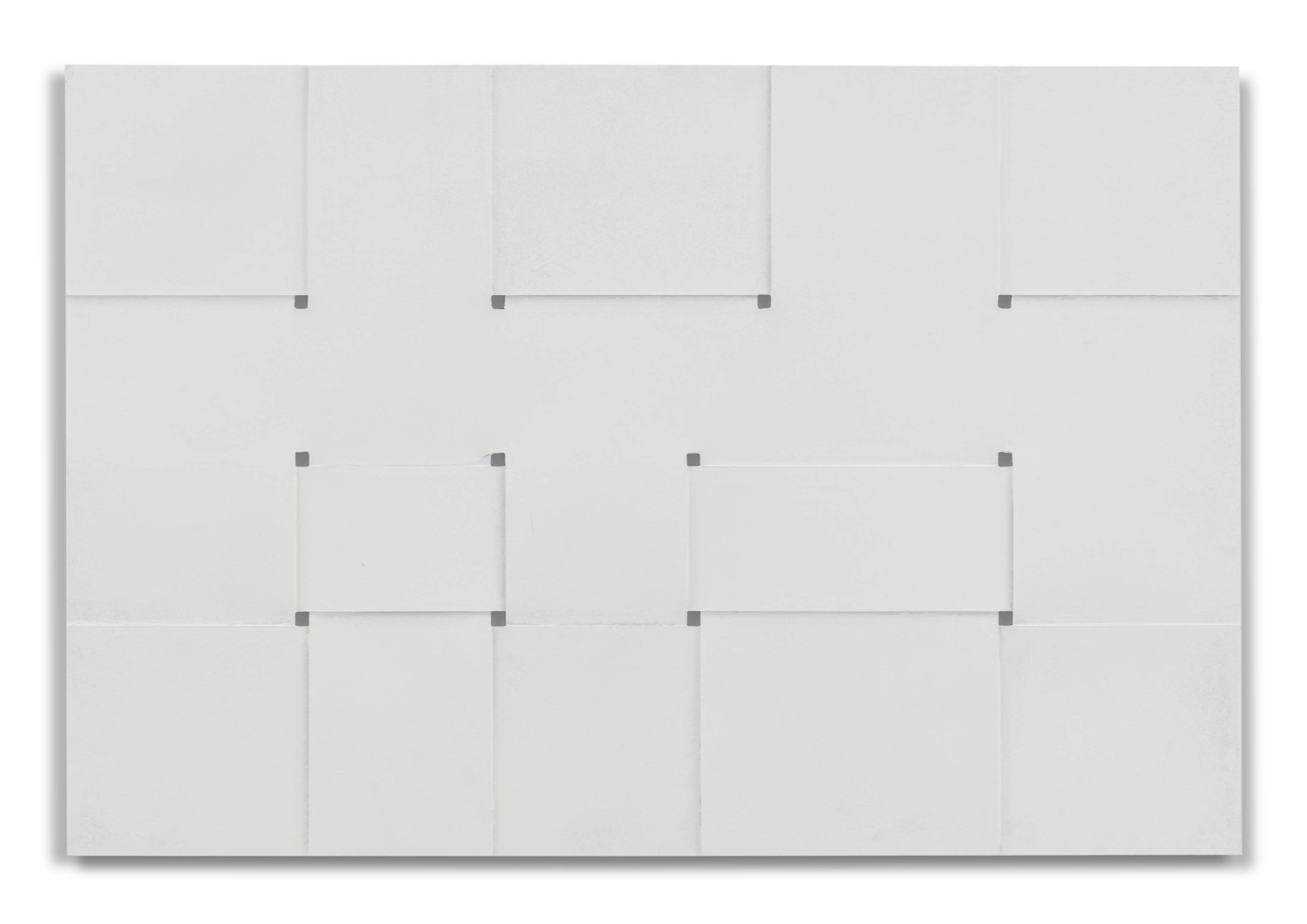
During the 1960s, Marrocco experimented with cheap or discarded materials such as packing cardboard and polished stainless steel, creating works relating to the kinetic art movement. The Intrecci series, begun in this decade, embody the artist's methodology and novel use of familiar materials. Ever open to new forms of artistic production, towards the end of the decade, Marrocco began engaging with 'behavioral art' and developed performance art pieces using body language and other non-verbal forms of communication. In 1970, he met Pierre Restany, the founder of the Nouveau Réalisme movement, who became a key supporter and was instrumental in increasing Marrocco's recognition on the international scene.
During the 1970s and 1980s, Marrocco extended his investigations into the relationship between an individual and their environment, creating further performance artworks and site-specific installations. One of the most important works from this period is L’uomo e la formica (Man and Ant) (1968), an installation comprising more 2000 live ants. Alongside these installation pieces, Marrocco continued to create assemblages using found objects and discarded materials, such as the so-called fasciature (bandages), works in wood wrapped in rags, gauze, and strips of canvas.
A further notable aspect of Marrocco's oeuvre are his sacred works; the artist has created several artworks for Italian churches. He has exhibited internationally, including at the 2010 Venice Architecture Biennale, and was the focus of an important exhibition at the Italian Institute of Culture, Cologne, Germany, in 2012. Marrocco lives and works in Milan.