A multi-faceted, unconventional, and constantly evolving artist, Aldo Mondino was born in Turin in 1938 and died in his hometown in 2004.
Mondino moved to Paris in 1959, where he undertook training in William Hayter's Atelier, studied ceramics with Gino Severini, and came into contact with important artist such as Roberto Matta, a key figure in Surrealism, Tancredi Parmeggiani and Wilfred Lam.
On returning to Italy in 1961, Mondino began holding solo exhibitions, such as in Turin and Milan, where he met Gian Enzo Sperone, a gallery owner with whom he would maintain an association throughout his career. During this time he continued making works clearly influenced by the surrealist milieu he had encountered in Paris, but he also developed a unique and satirical approach to art, which often created controversy, notably in 1969 when his work Mamma, Agnelli and Porcòdio was seized and banned for blasphemy.
In 1972 Mondino returned to Paris and dedicated himself to painting, creating works with a highly conceptual character, including his important King series. In 1876 he exhibited at the Venice Biennale.
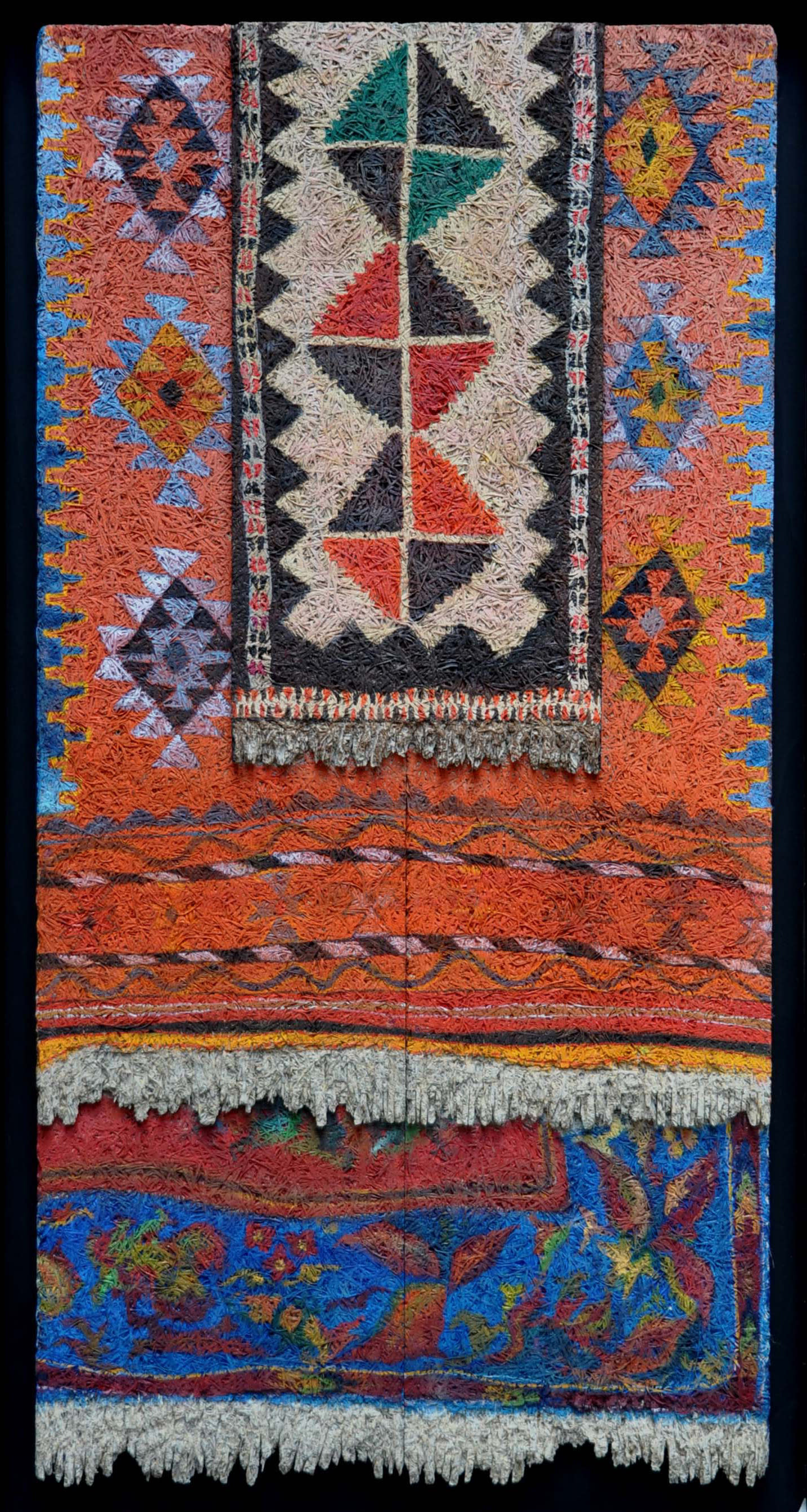
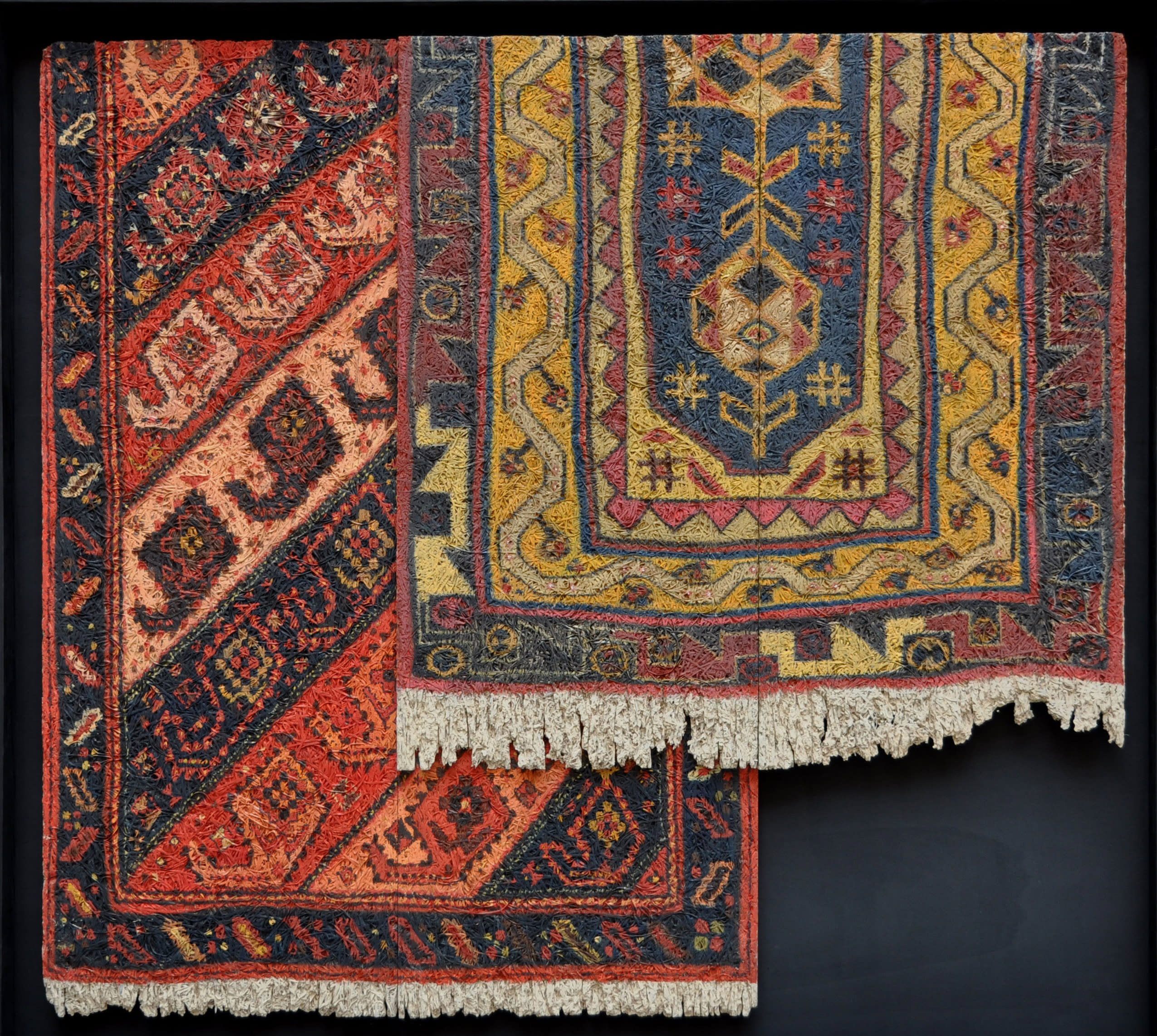
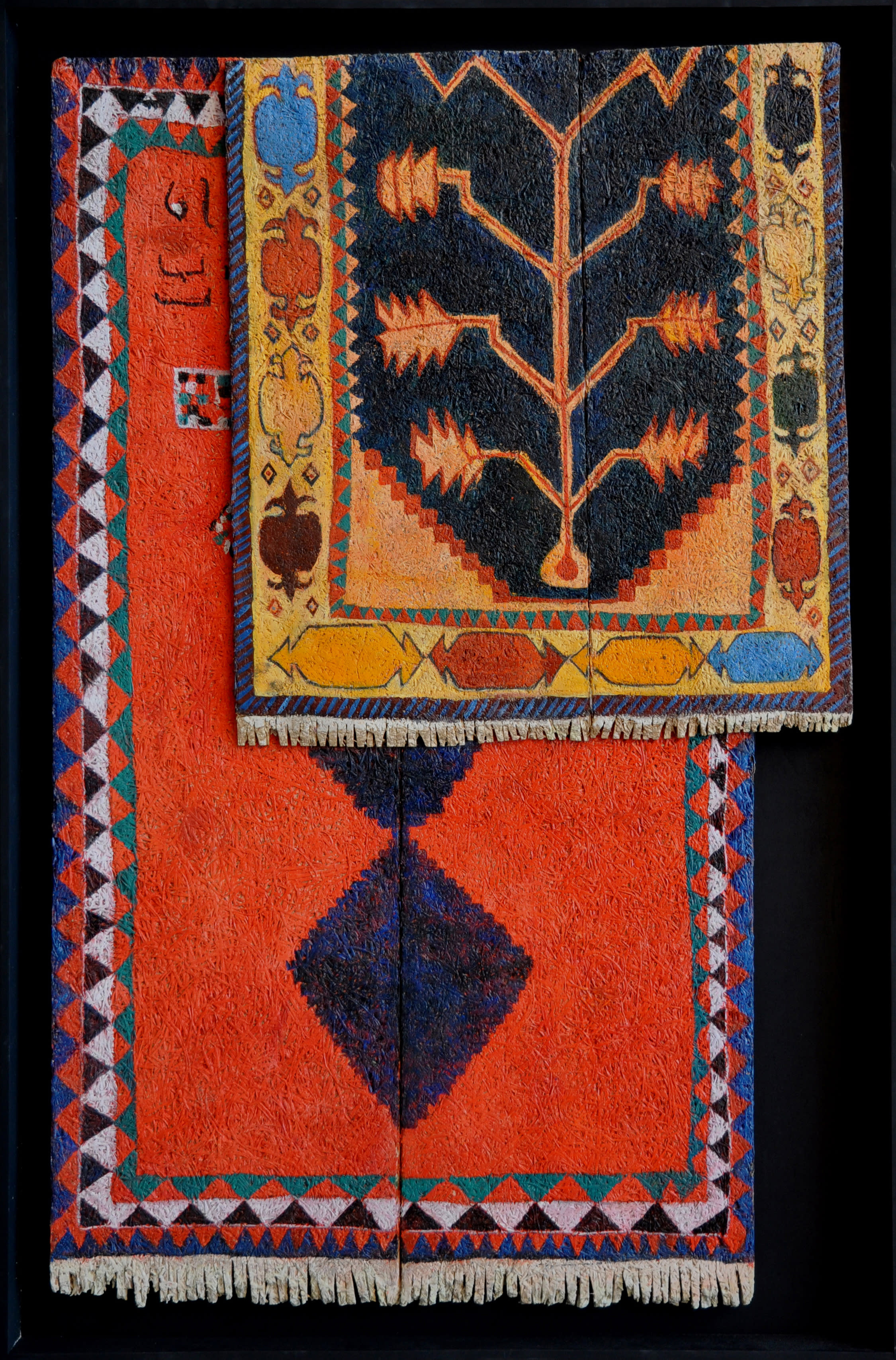
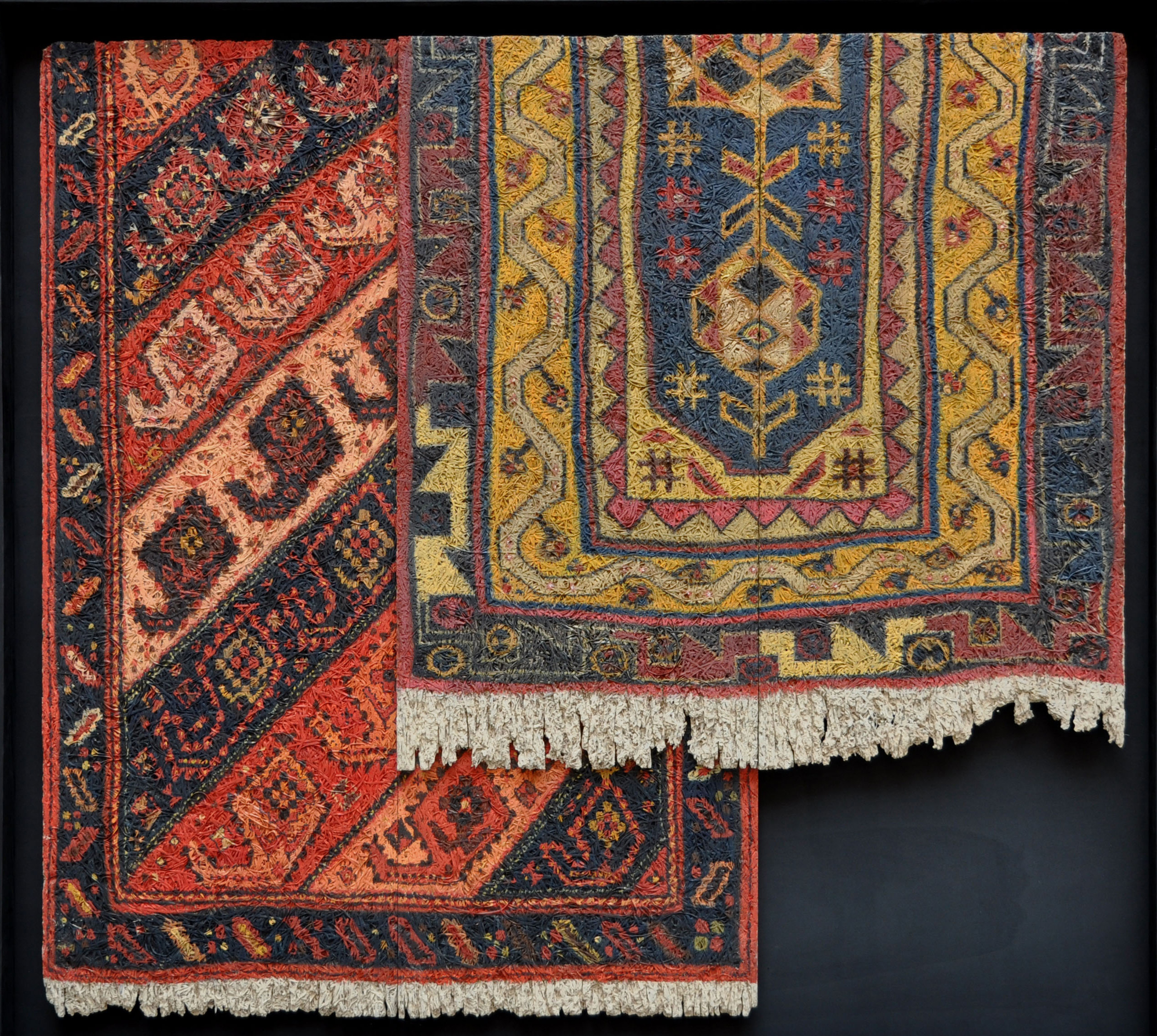
In the mid-1980s and 1990s Mondino developed an acute fascination with oriental culture, following a trip to Morocco and the Middle East. A capstone of this period was a series of thirty-six paintings of historic Sultans. Also relating to this theme, he produced numerous works depicting oriental rugs layered on top of each other, using oil paint and acrylic on the unusual support of eraclite. In addition, it was during this period that Mondino discovered sculpture. As well as creating monumental works, he adopted an unconventional approach to sculpture using unusual materials such as mosaics made from chocolate or chandeliers made from ball-point pens.
Mondino was honoured with a retrospective at Galleria Santo Ficara in Florence in 2000. He passed away in March 2005.