
Giacomo Ceruti
b. 1698, Milan, Italy
d. 1767, Milan, Italy
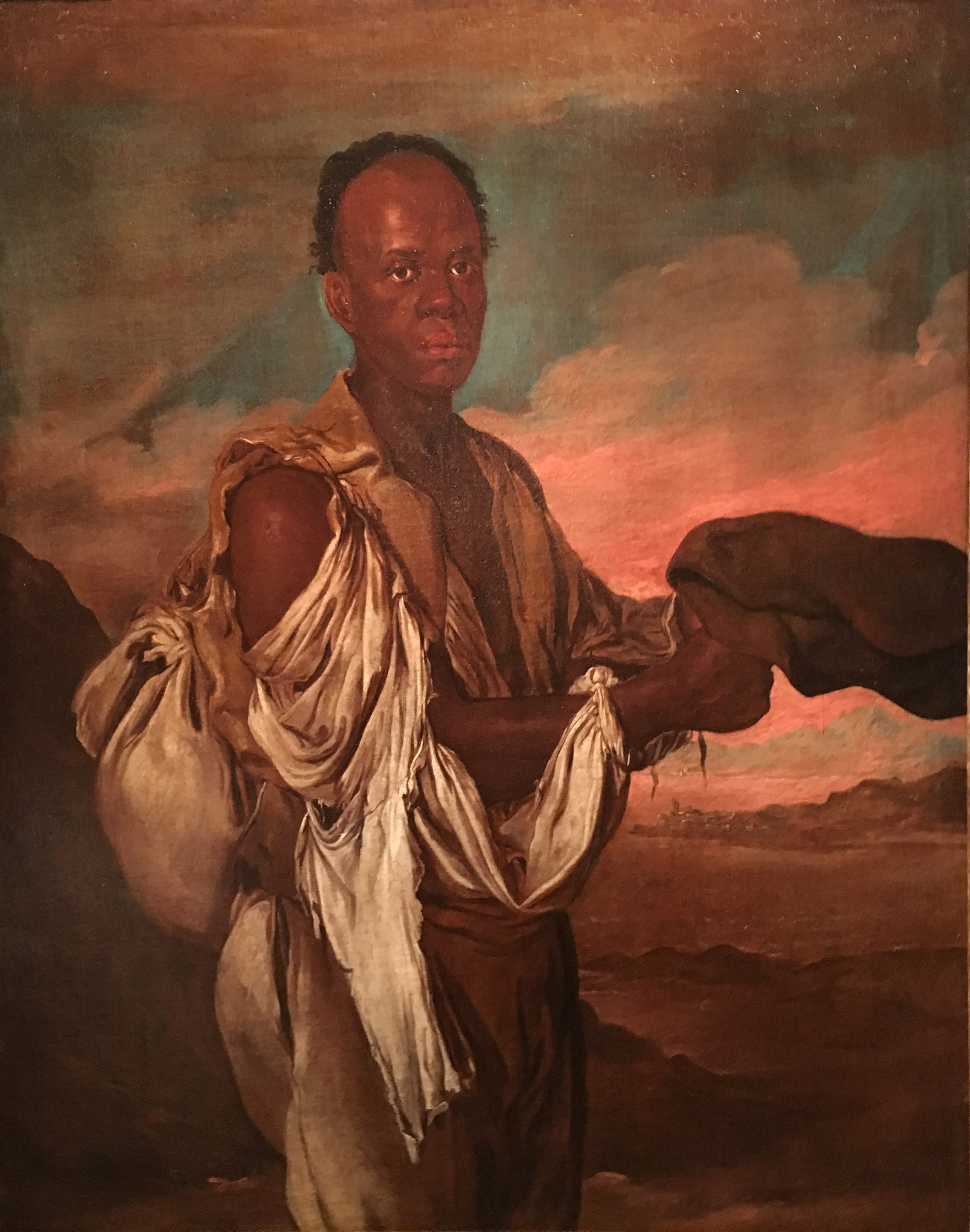
Portrait of a Moor
Oil on canvas
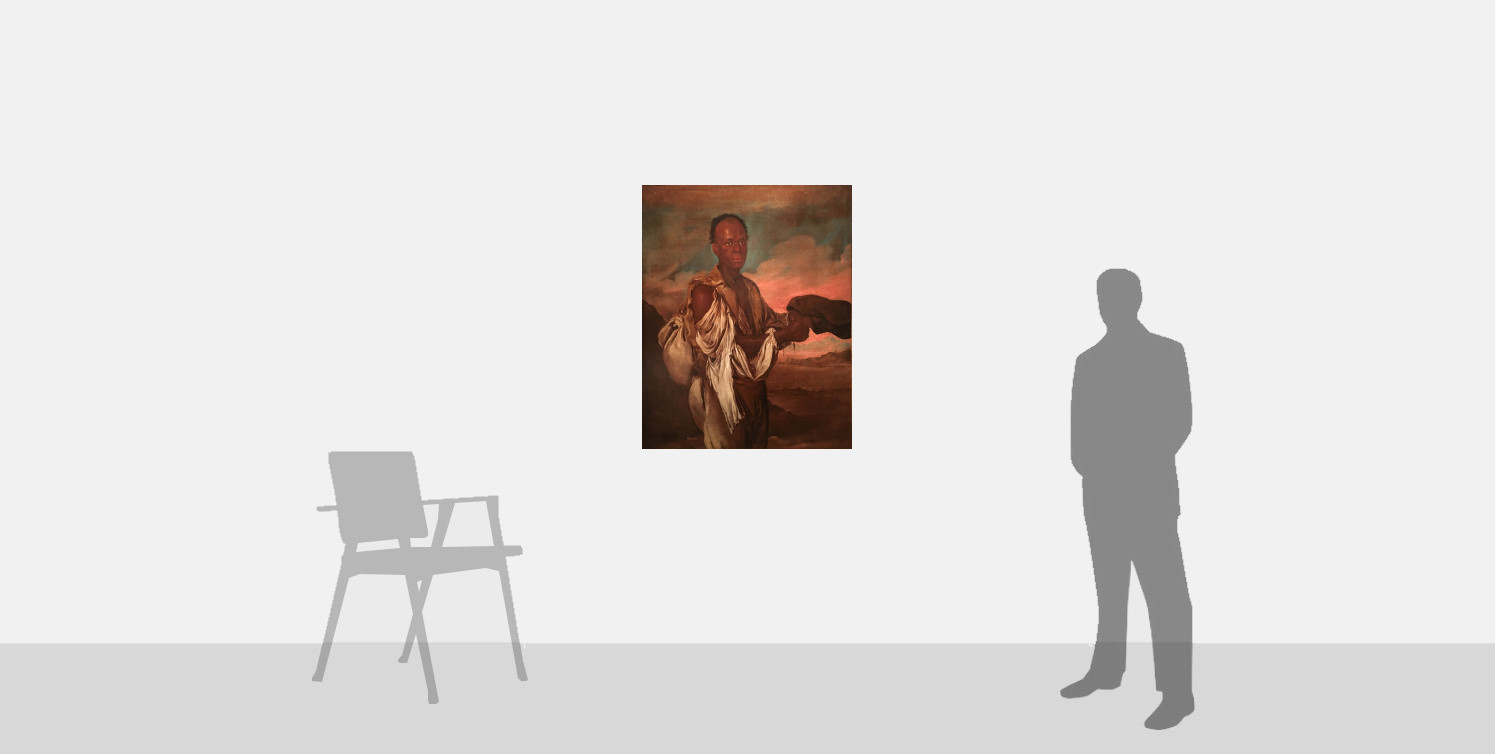
117.5 x 93.5 cm (46 1/4 x 36 3/4 in.)
Provenance
Alessandro Morandotti, Rome;
Private collection.Literature
Alessandro Morandotti, Cinque pittori del Settecento: Ghislandi, Crespi, Magnasco, Bazzani, Ceruti, exh. cat. Palazzo Massimo alle Colonne, Rome 1943, no. 84 p. 112.
Giuliano Briganti, “Cinque pittori del Settecento a Palazzo Massimo” Emporium (1943), pp. 199–200. Roberto Longhi, I pittori della realtà in Lombardia, exh. cat. Palazzo Reale, Milan, 1953, no. 118, p. 66.
Andreina Griseri, “Bilancio di una mostra: I pittori della realtà in Lombardia” Emporium (1953), p. 68. Michail Ja Liebmann, “I “Pittori della realtà” in Italia nei sec. XVII–XVIII” Acta historiae artium Academiae Scientiarum Hungaricae (1969), p. 277.
Giovanni Testori, Giacomo Ceruti, mostra di trentadue opere inedite, exh. cat. Finarte, Istituto Finanziario per l’Arte, Milan, 1966, p. 30.
Luigi Mallé, “The Barons and Beggars of Giacomo Ceruti” Art News (March 1967), p. 27.
Luigi Mallé and Giovanni Testori, Giacomo Ceruti e la ritrattistica del suo tempo nell’Italia settentrionale, exh. cat. Galleria d’Arte Moderna, Turin, 1967, pp. 51, 165.
Ugo Ruggeri, “Ceruti a Torino” Critica d’Arte 14 (1967), p. 6.
Carlo Volpe, “Arte Italiana (dalle origini al Settecento)” in Enciclopedia Feltrinelli Fischer – Arte I, Milan, 1968, fig. 65.
Dizionario Enciclopedico Bolaffi dei pittori e incisori italiani dall’XI al XX secolo, Turin, 1972, vol. II, p. 265.
Giovanni Previtali, “La periodizzazione della storia dell’arte italiana” Storia dell’arte italiana 1 (1979), fig. 101.
Vittorio Caprara, “Ceruti, Giacomo Antonio” in Dizionario Biografico degli Italiani, vol. 24, Rome, 1980, p. 62.
Mina Gregori, Giacomo Ceruti, Bergamo, 1982, p. 176, no. 47, pp. 431–32.
Alessandro Morandotti, “Poveri, pitocchi, emigranti: fonti figurative e storia sociale (nella prospettiva dell’epopea di Giacomo Ceruti)” in Francesco Porzio, ed., Da Caravaggio a Ceruti. La scena di genere e l’immagine dei pitocchi nella pittura italiana, exh. cat. Museo Civico di Santa Giulia, Brescia, 1998, p. 68.
Description
During the Renaissance and Baroque periods, Black figures appear in Italian art with some frequency, from magi to dark-skinned pages and maids. The most common form of sculpture depicting the black figure in the eighteenth century was the “blackamoor” statuary found in the decorative arts and architecture. Holding up a platter, urn, or vase, and often dressed in Moorish or Turkish costume, these ornamental figures point to the actual black servants, often simply termed “Moors”, who worked as pages, footmen, and valets de chambre and who were in fact costumed in the Turkish-style feathered caps and turbans fashionable in the period. Ceruti’s beggar, dressed in rags, stands in marked contrast to these figures.
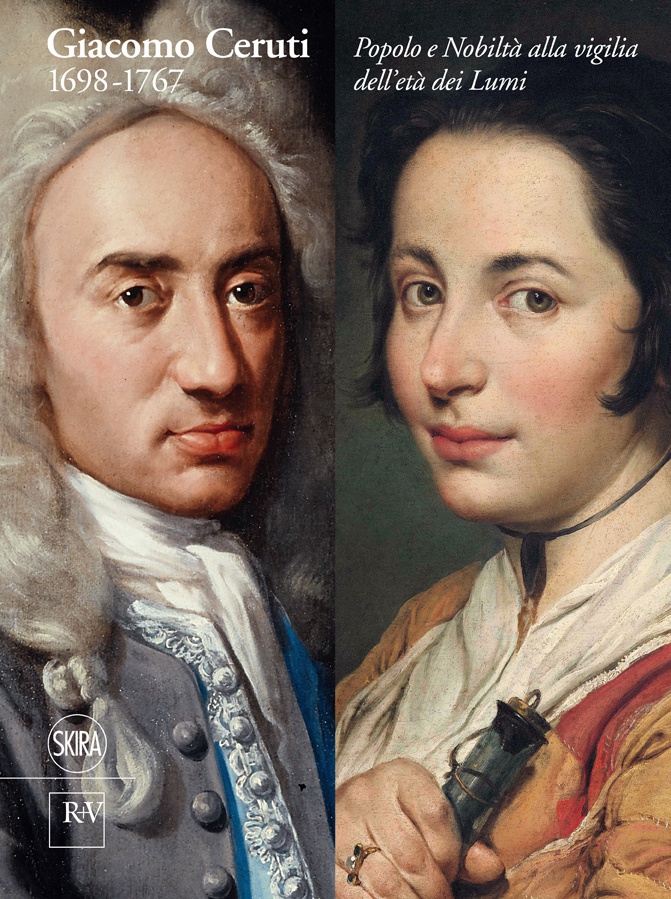
The reputation of Ceruti, active in northern Italy in the eighteenth century, is based on his paintings of impoverished people from the margins of society, whom he depicts not as comedic, dehumanized figures or as types, but as individuals rendered with great empathy. His paintings of beggars are landmarks in the history of European art, remarkable for their seemingly unvarnished directness, and for the great human dignity the artist conferred on the victims of a hierarchical society.
The artwork described above is subject to changes in availability and price without prior notice.