
Pietro Consagra
b. 1920, Mazara del Vallo, Italy
d. 2005, Milan, Italy
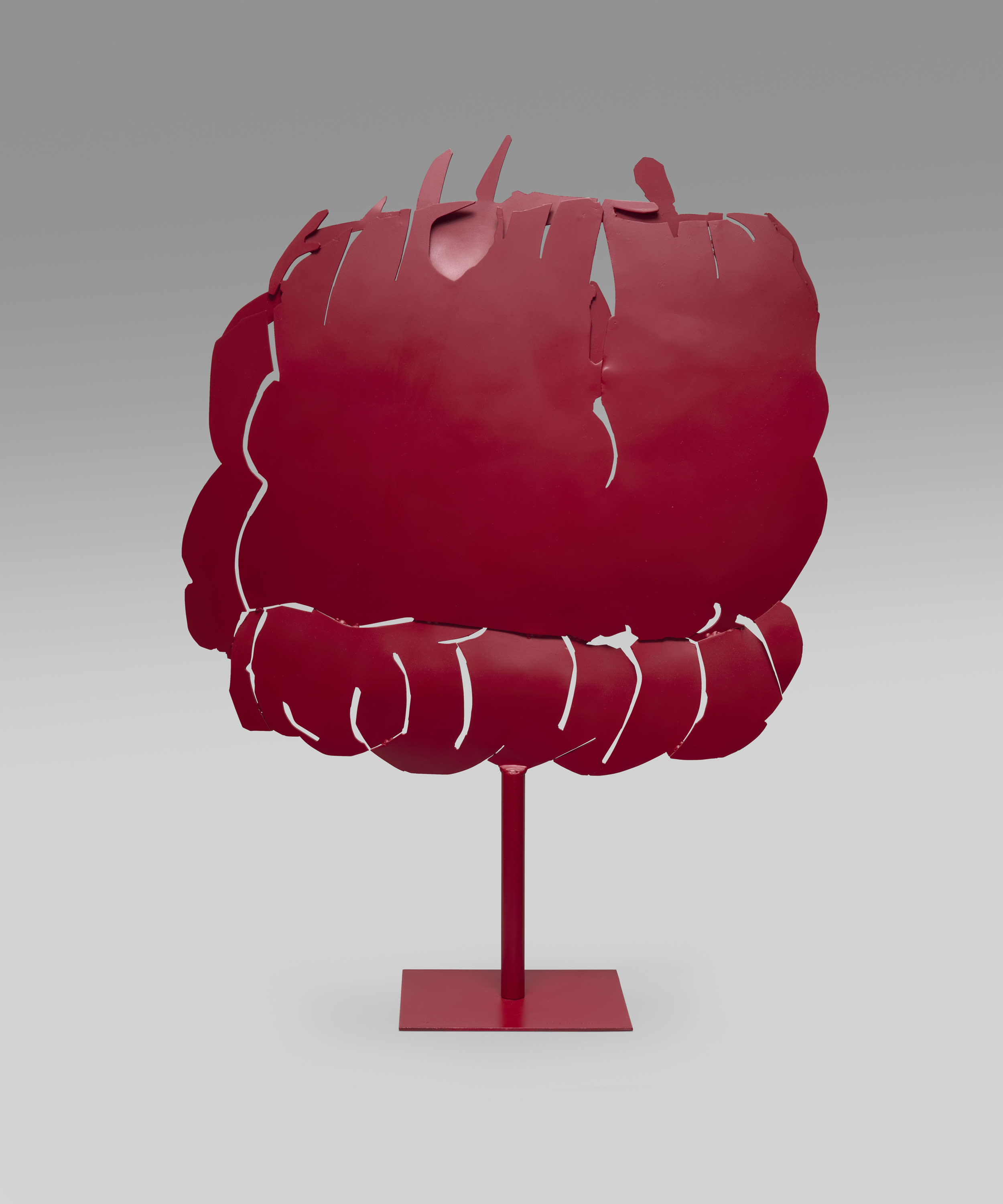
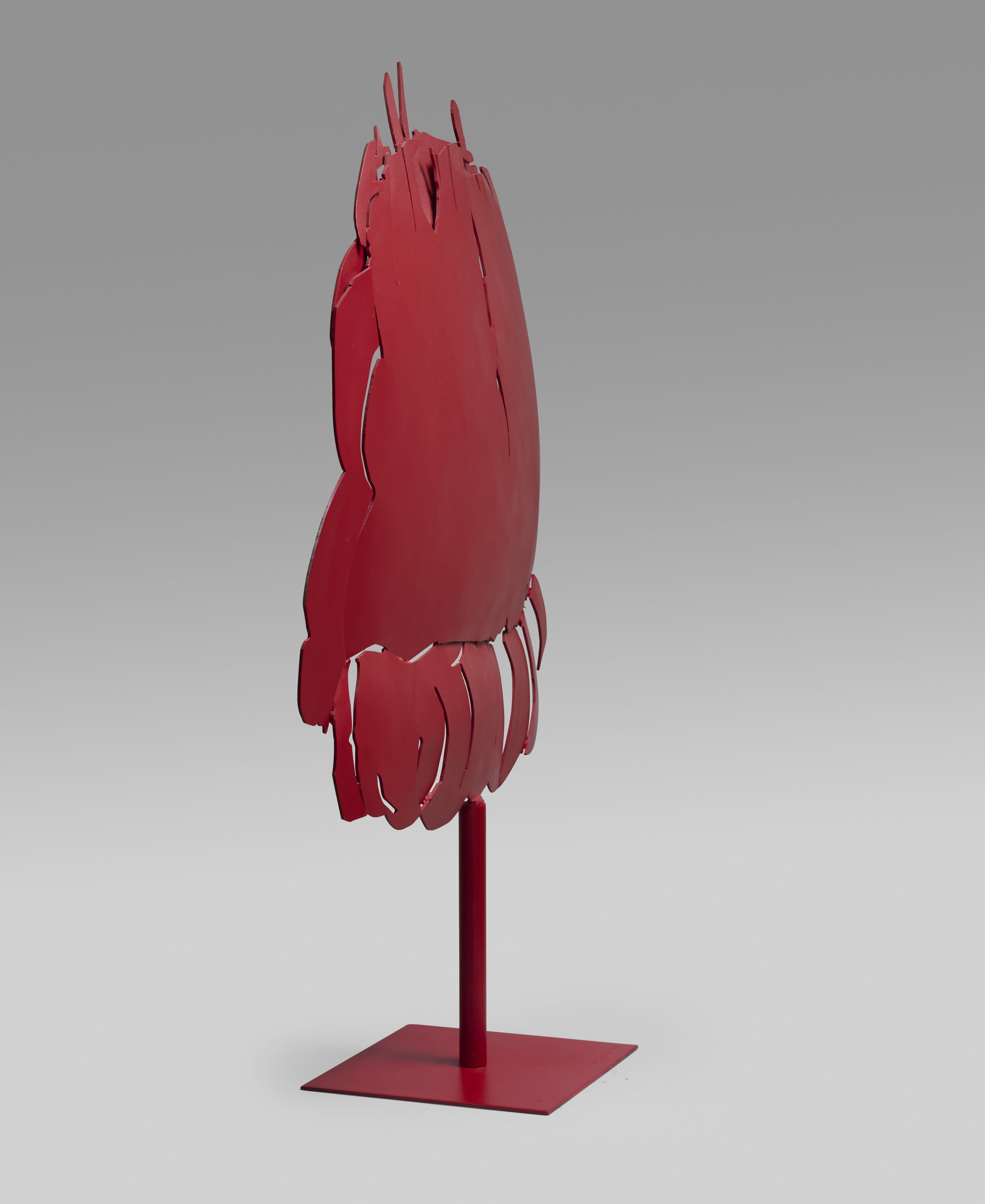
Ferro Trasparente Carminio (Carmine Transparent Iron)
1966
Painted iron
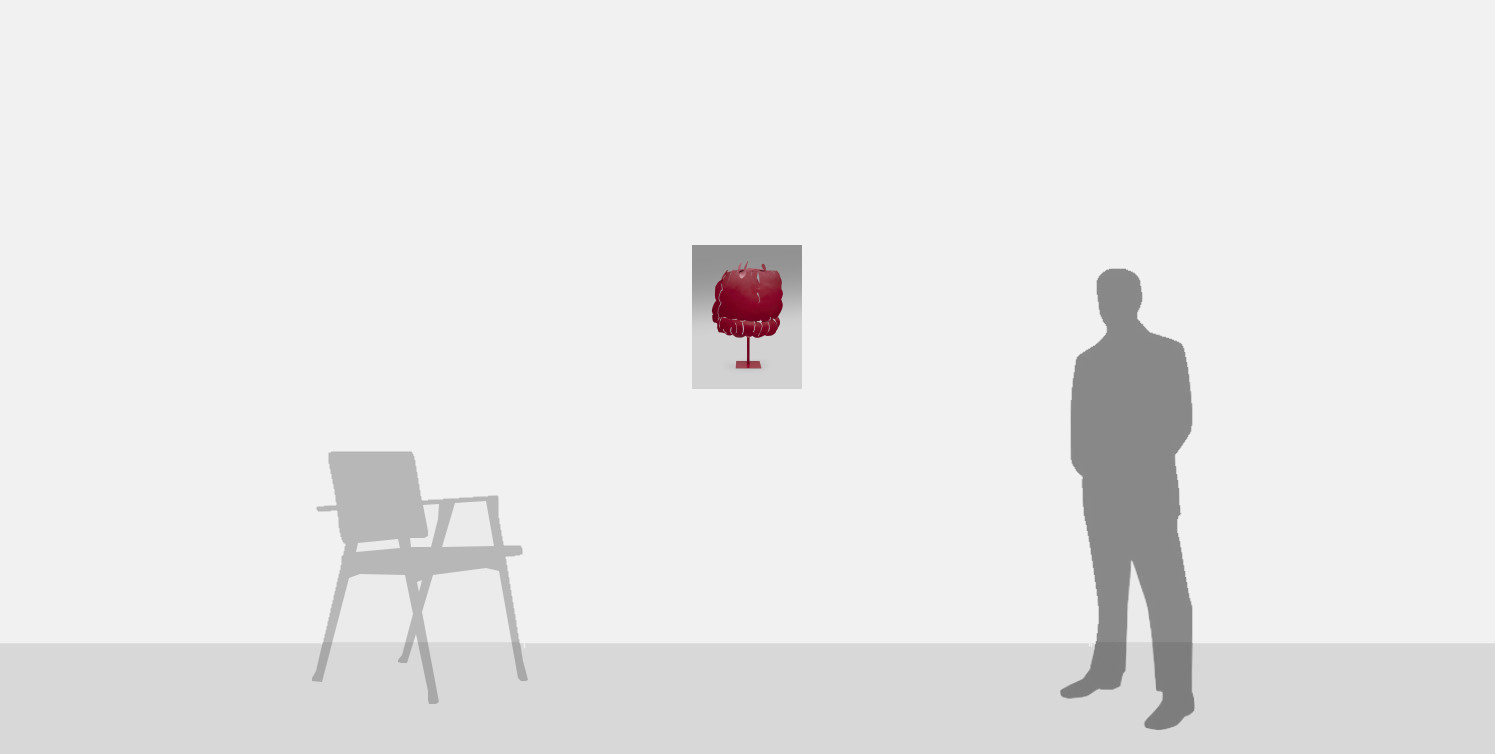
64 x 49 x 3 cm (25 1/4 x 19 1/4 x 1 1/8 in)
Description
1 of 5 unique pieces realised in two colours
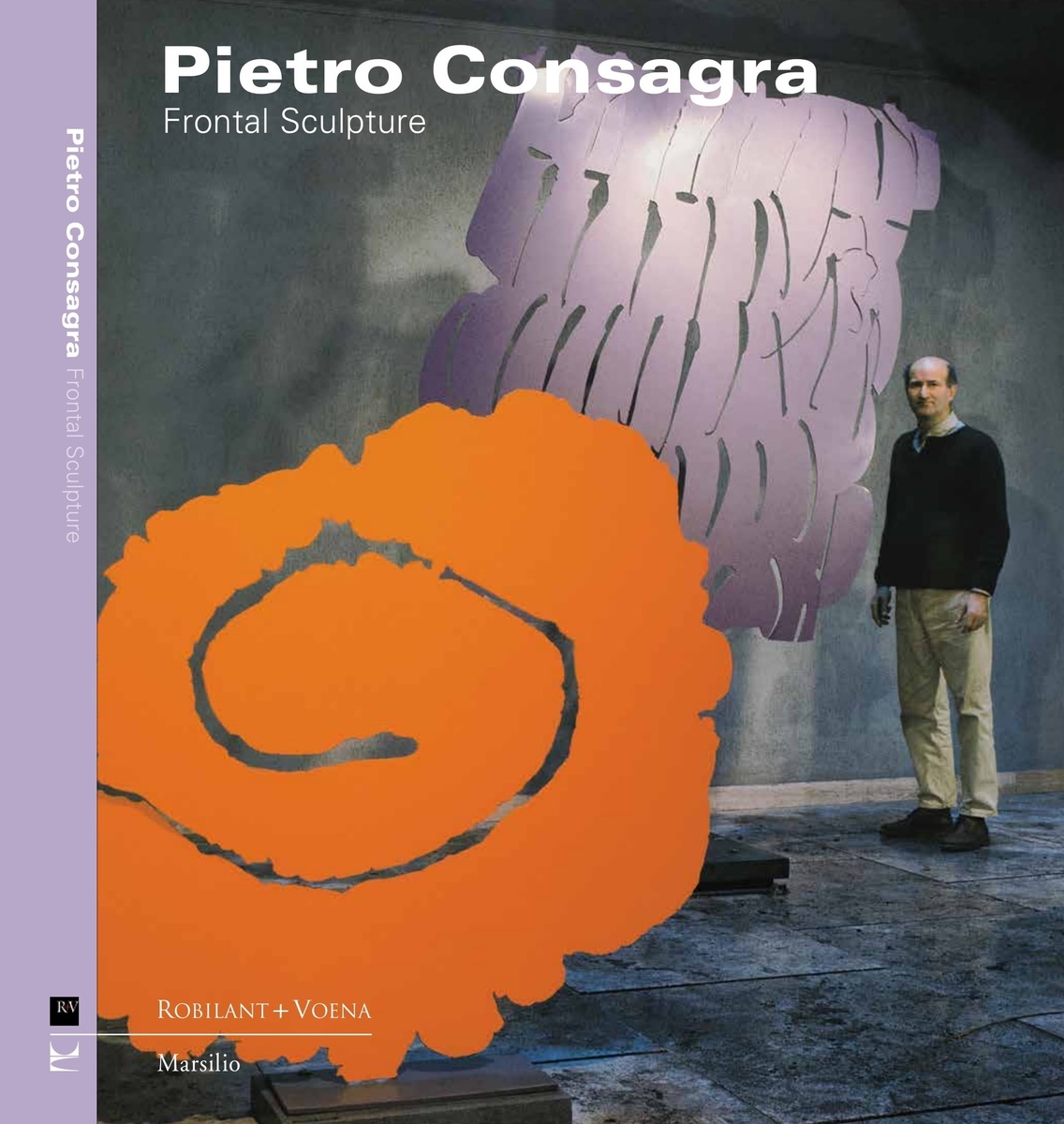
One of Italy’s most important postwar sculptors, Pietro Consagra was born in 1920 in Mazara del Vallo in Sicily, and attended the Accademia di Belle Arti in Palermo before moving in 1944 to Rome, just as the city was starting to commence its reconstruction in the wake of World War II. Consagra’s distinctive vision for a new form of abstract sculpture began to coalesce following a formative visit to Paris in 1946, which moreover marked the beginning of an active dialogue with the international avant-garde.
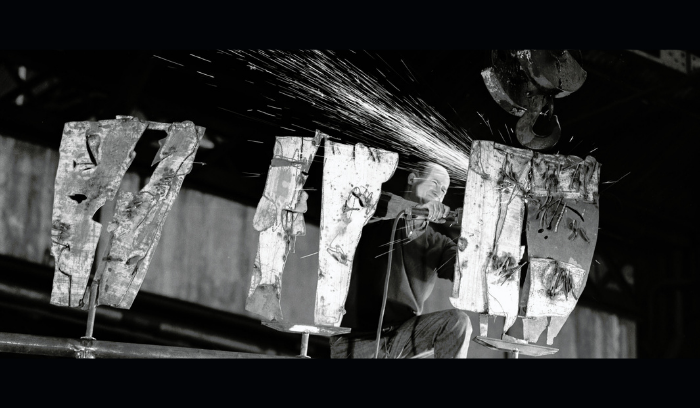
Consagra rejected the traditions of three-dimensional sculpture with the aim of fostering a more direct mode of interaction between the work of art and its viewer. Working in bronze and iron, Consagra created radical sculptures that flattened their materials almost to the point of two-dimensionality. In this way, he jettisoned the idea of an authoritarian center in favor of a “frontal” perspective that is open to a direct relationship, even a dialogue, with the viewer, which became his artistic credo. Central to Consagra’s practice was an ongoing reflection on the language of sculpture in relation to other disciplines, especially architecture. Consagra believed that the modern city was defined by the three-dimensionality of its architecture, its monumental rhetoric imposing a specific and controlling way of engaging with one’s environment. He proposed that central perspective, which has dominated city planning for centuries, is an expression of a dogmatic and hierarchical organization of Power and that this power can, in turn, limit one’s perceptual field. Consagra imagined a world without centers and peripheries, an idea that underpins his sculpture, in which, symbolically, the object solely exists in the presence of the viewer, and the viewer in the presence of the object.
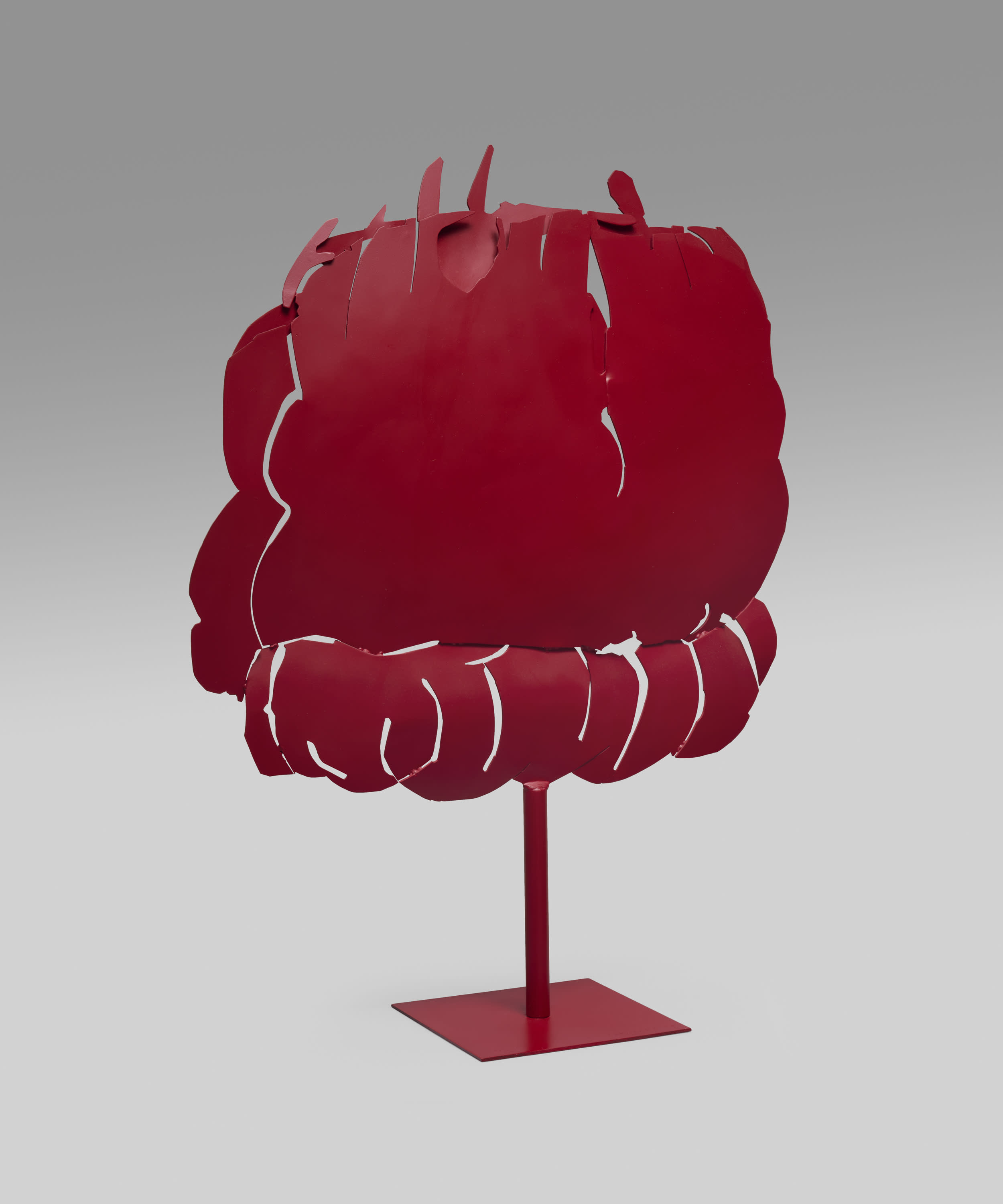
With the advent of Pop Art and following Robert Rauschenberg’s victory at the Venice Biennale of 1964, Consagra embarked on a period of self-questioning, during which he began working intensely with enamel paint. The result was two significant series, the Piani Sospesi (Suspended Planes, 1964–65) and the Ferri trasparenti (Transparent Irons, 1965–66). With the latter series, to which Ferro trasparente carminio (1966) belongs, Consagra created frontal sculptures from thin sheets of iron with curved contours and planes that fragment and swell while seeming to levitate and hover in space. Enamel paint was applied to their surfaces in the bright colors—reds, purples, blues, yellows, and pinks—made explosively popular by Pop Art. In these works, the overlapping planes of the bronze Colloqui Consagra produced throughout the 1950s gave way to a greater sensuality of form rendered in a far more extroverted language. At the same time, while the Colloqui were meant to be experienced frontally, the Ferri trasparenti could be rotated and experienced “bifrontally”, and thus the artist doubled his works’ relationship with their viewers. Given the industrial nature of iron, and its omnipresence in the urban environment, Consagra envisaged these monochrome works as transcendent emblems of a new formal and spiritual landscape, one which challenged the primacy and authority of the cities around us, privileging instead the perception, imagination, and humanity of the beholder.
A solo exhibition in 1967 at the Museum Boymans van Beuningen in Rotterdam attested to this burst of creativity on the part of Consagra. The present sculpture, Ferro trasparente carminio (1966), was featured in the exhibition, a vibrant and sensuous expression the artist’s new vision in this fundamental period.
Please note that the availability and price of the above work are subject to changes without prior notice. Where applicable ARR will be added.
One of Italy’s most important postwar sculptors, Pietro Consagra was born in 1920 in Mazara del Vallo in Sicily, and attended the Accademia di Belle Arti in Palermo before moving in 1944 to Rome, just as the city was starting to commence its reconstruction in the wake of World War II. Consagra’s distinctive vision for a new form of abstract sculpture began to coalesce following a formative visit to Paris in 1946, which moreover marked the beginning of an active dialogue with the international avant-garde.
Consagra rejected the traditions of three-dimensional sculpture with the aim of fostering a more direct mode of interaction between the work of art and its viewer. Working in bronze and iron, Consagra created radical sculptures that flattened their materials almost to the point of two-dimensionality. In this way, he jettisoned the idea of an authoritarian center in favor of a “frontal” perspective that is open to a direct relationship, even a dialogue, with the viewer, which became his artistic credo. Central to Consagra’s practice was an ongoing reflection on the language of sculpture in relation to other disciplines, especially architecture. Consagra believed that the modern city was defined by the three-dimensionality of its architecture, its monumental rhetoric imposing a specific and controlling way of engaging with one’s environment. He proposed that central perspective, which has dominated city planning for centuries, is an expression of a dogmatic and hierarchical organization of Power and that this power can, in turn, limit one’s perceptual field. Consagra imagined a world without centers and peripheries, an idea that underpins his sculpture, in which, symbolically, the object solely exists in the presence of the viewer, and the viewer in the presence of the object.
With the advent of Pop Art and following Robert Rauschenberg’s victory at the Venice Biennale of 1964, Consagra embarked on a period of self-questioning, during which he began working intensely with enamel paint. The result was two significant series, the Piani Sospesi (Suspended Planes, 1964–65) and the Ferri trasparenti (Transparent Irons, 1965–66). With the latter series, to which Ferro trasparente carminio (1966) belongs, Consagra created frontal sculptures from thin sheets of iron with curved contours and planes that fragment and swell while seeming to levitate and hover in space. Enamel paint was applied to their surfaces in the bright colors—reds, purples, blues, yellows, and pinks—made explosively popular by Pop Art. In these works, the overlapping planes of the bronze Colloqui Consagra produced throughout the 1950s gave way to a greater sensuality of form rendered in a far more extroverted language. At the same time, while the Colloqui were meant to be experienced frontally, the Ferri trasparenti could be rotated and experienced “bifrontally”, and thus the artist doubled his works’ relationship with their viewers. Given the industrial nature of iron, and its omnipresence in the urban environment, Consagra envisaged these monochrome works as transcendent emblems of a new formal and spiritual landscape, one which challenged the primacy and authority of the cities around us, privileging instead the perception, imagination, and humanity of the beholder.
A solo exhibition in 1967 at the Museum Boymans van Beuningen in Rotterdam attested to this burst of creativity on the part of Consagra. The present sculpture, Ferro trasparente carminio (1966), was featured in the exhibition, a vibrant and sensuous expression the artist’s new vision in this fundamental period.
Please note that the availability and price of the above work are subject to changes without prior notice. Where applicable ARR will be added.